
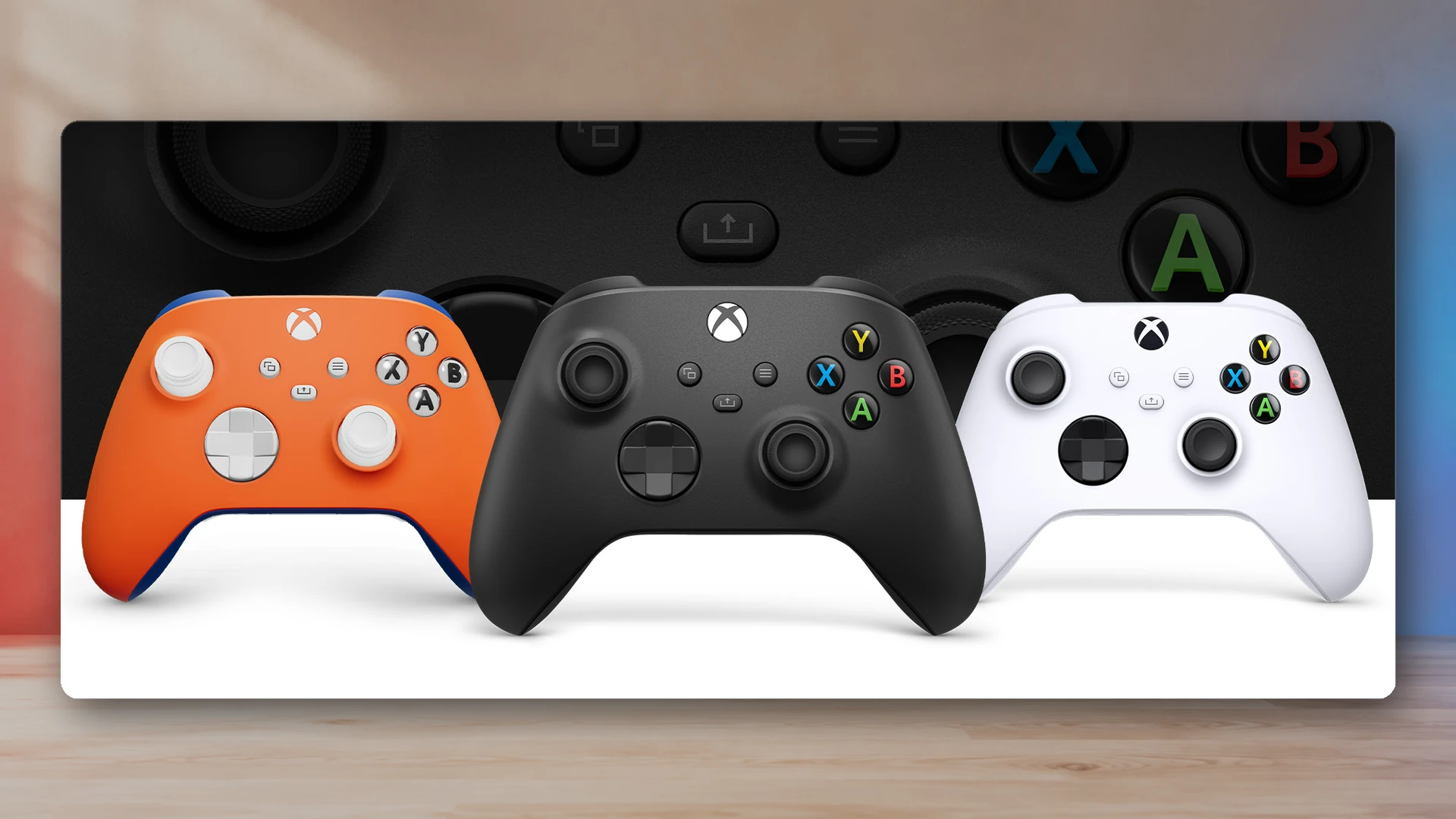
TMR vs Hall Effect Joysticks
Potentiometer sticks wear by design; Hall effect and TMR sticks read a magnet instead. What each sensor fixes, what it does not, and which controller to buy.
 NexusArcPlayer OS
GPUs, devices, AI, platform infrastructure, and the systems behind modern play.

Potentiometer sticks wear by design; Hall effect and TMR sticks read a magnet instead. What each sensor fixes, what it does not, and which controller to buy.
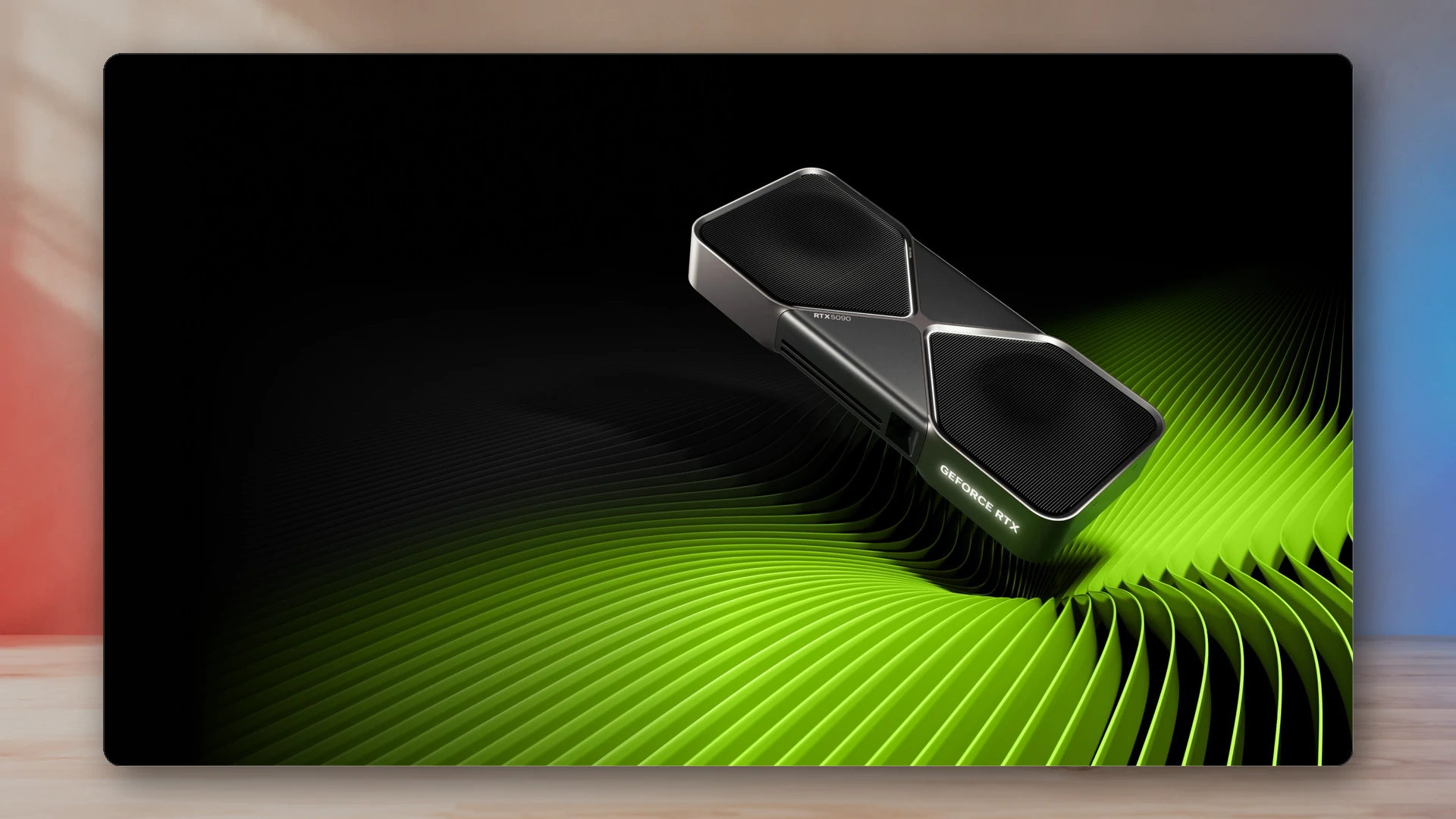
A vendor-neutral explanation of modern upscaling and frame-generation technologies, including hardware support, base frame rate, latency, artifacts, and settings advice.

Compare current Kindle e-readers by screen, storage, waterproofing, color, note-taking, and reader type to choose the right Kindle without overbuying.
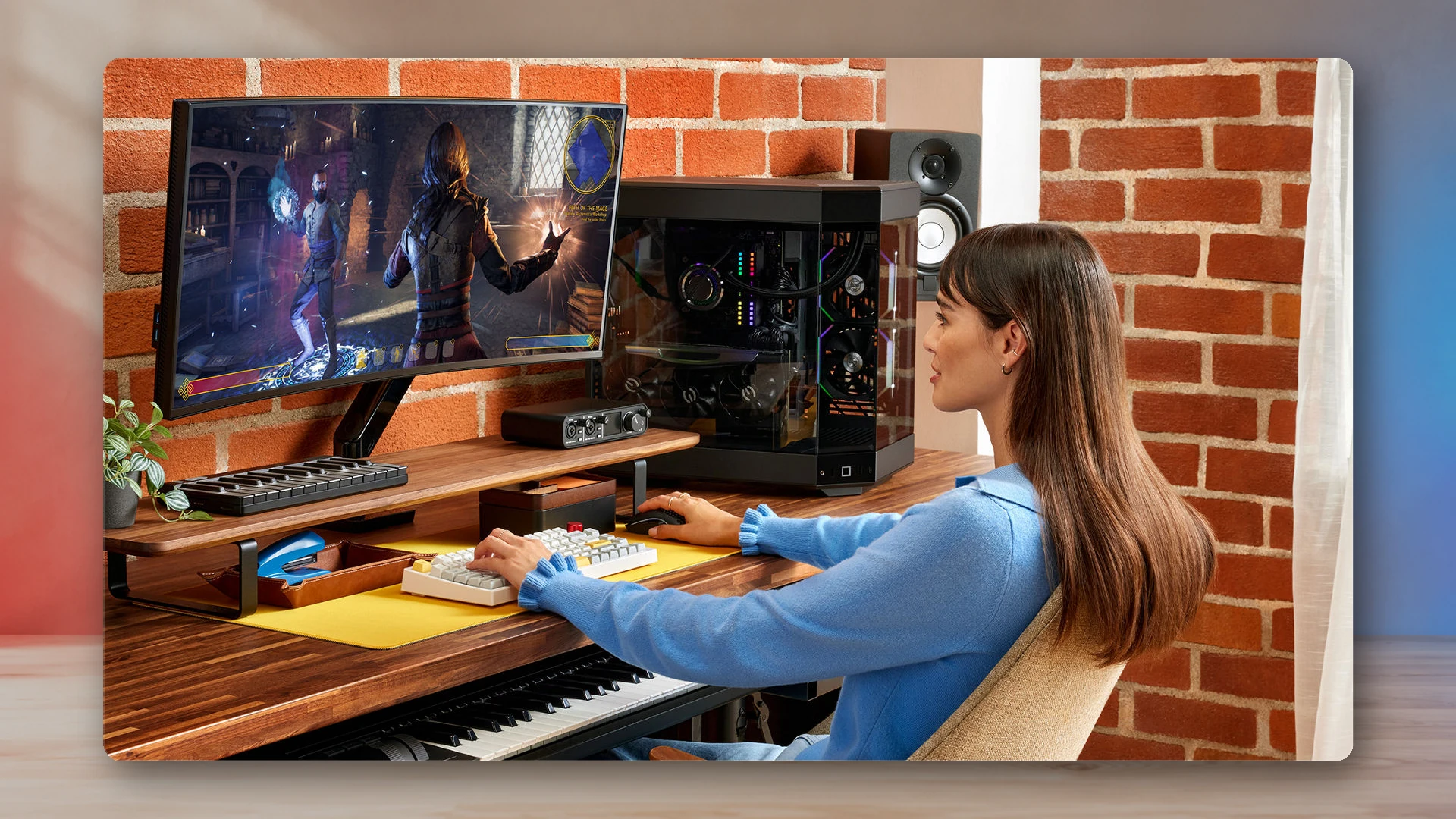
A practical guide to converting FPS into milliseconds, reading low-percentile results, spotting pacing problems, and avoiding misleading benchmark conclusions.
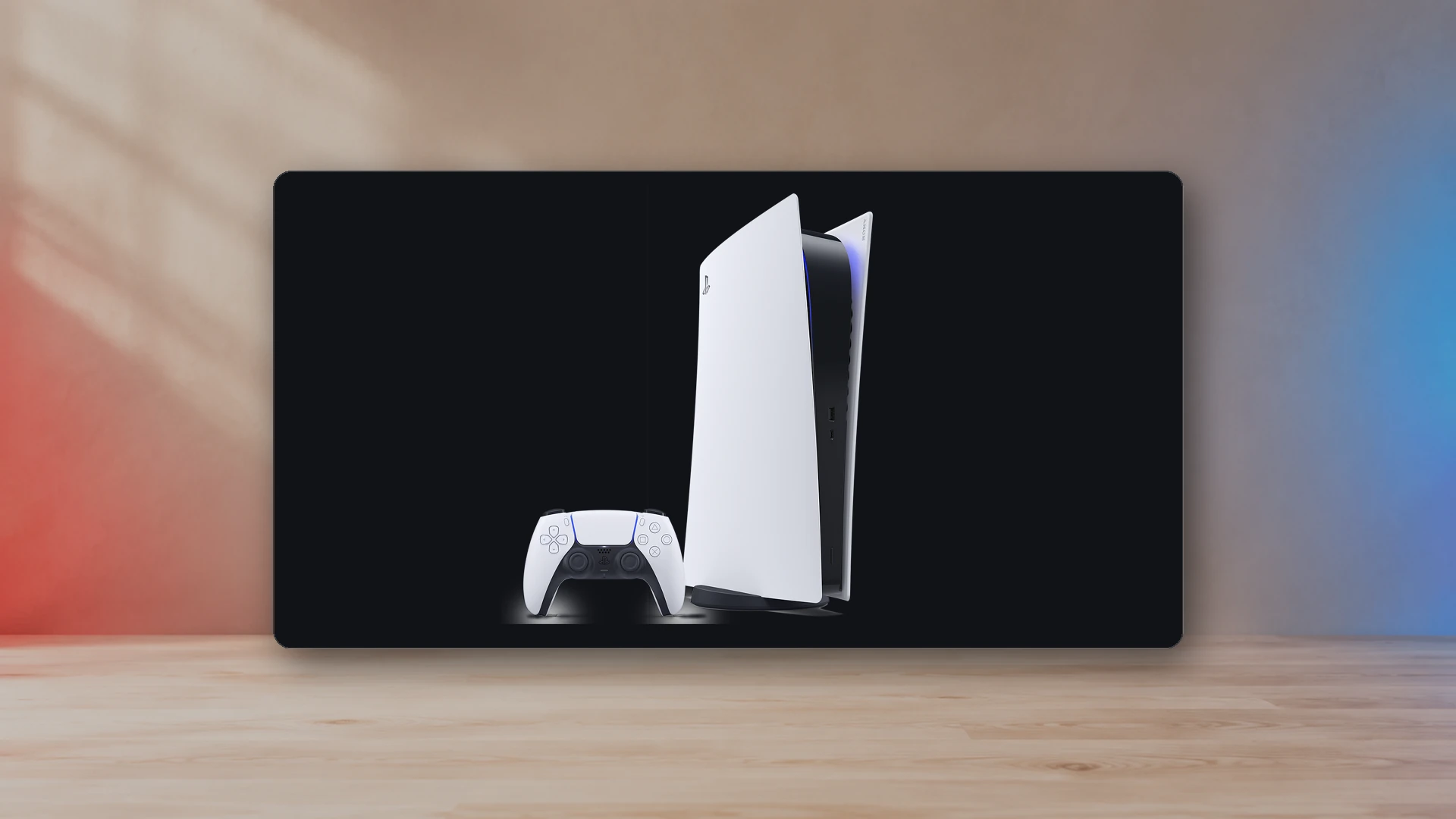
A practical OLED gaming guide that separates temporary retention from cumulative wear, explains static HUD risk and automatic compensation cycles, and gives habits that preserve the panel without wasting its strengths.
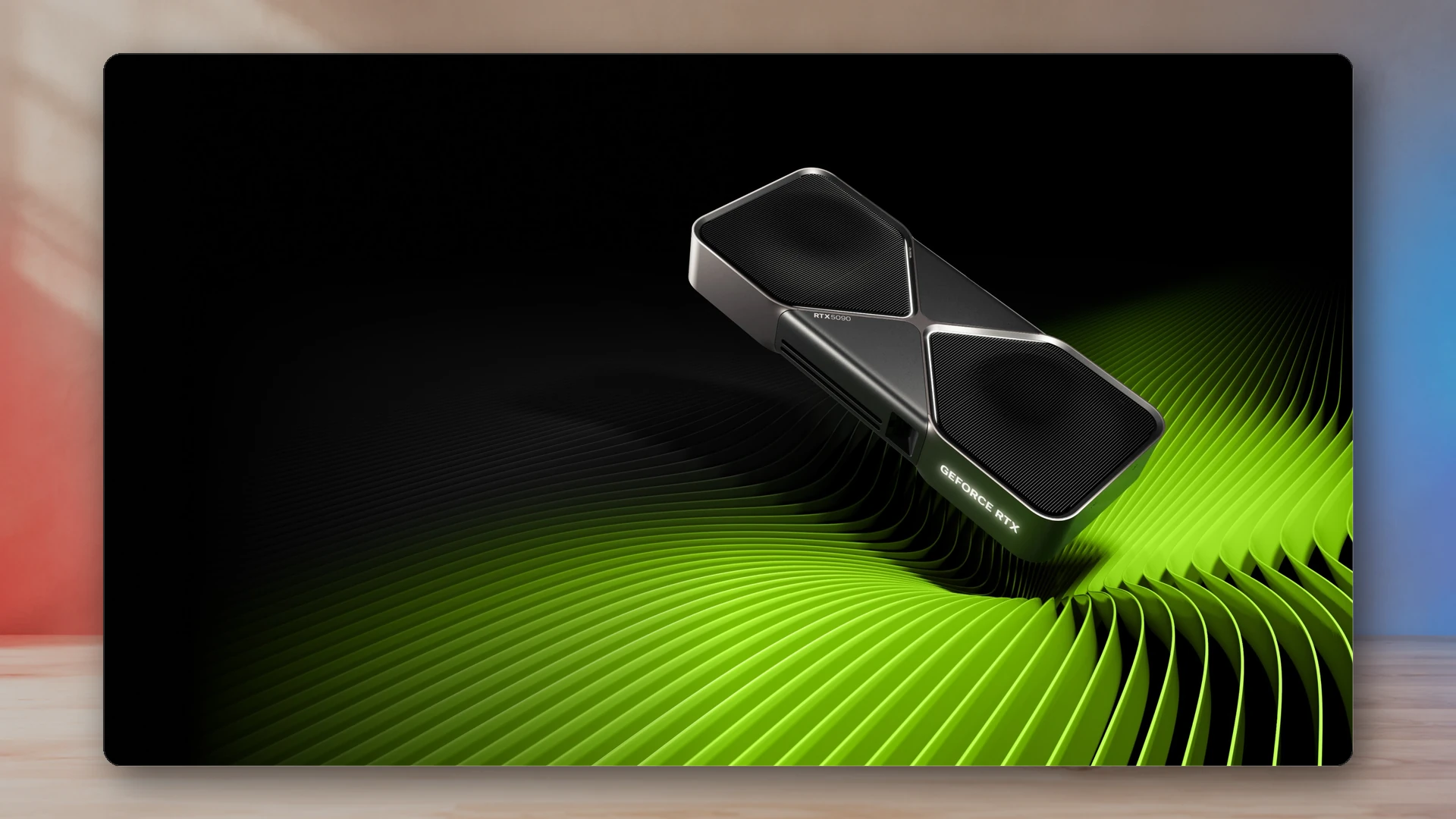
A practical explanation of shaders, pipeline state, cache invalidation, first-run compilation, background compilation, and Microsoft’s Advanced Shader Delivery approach.
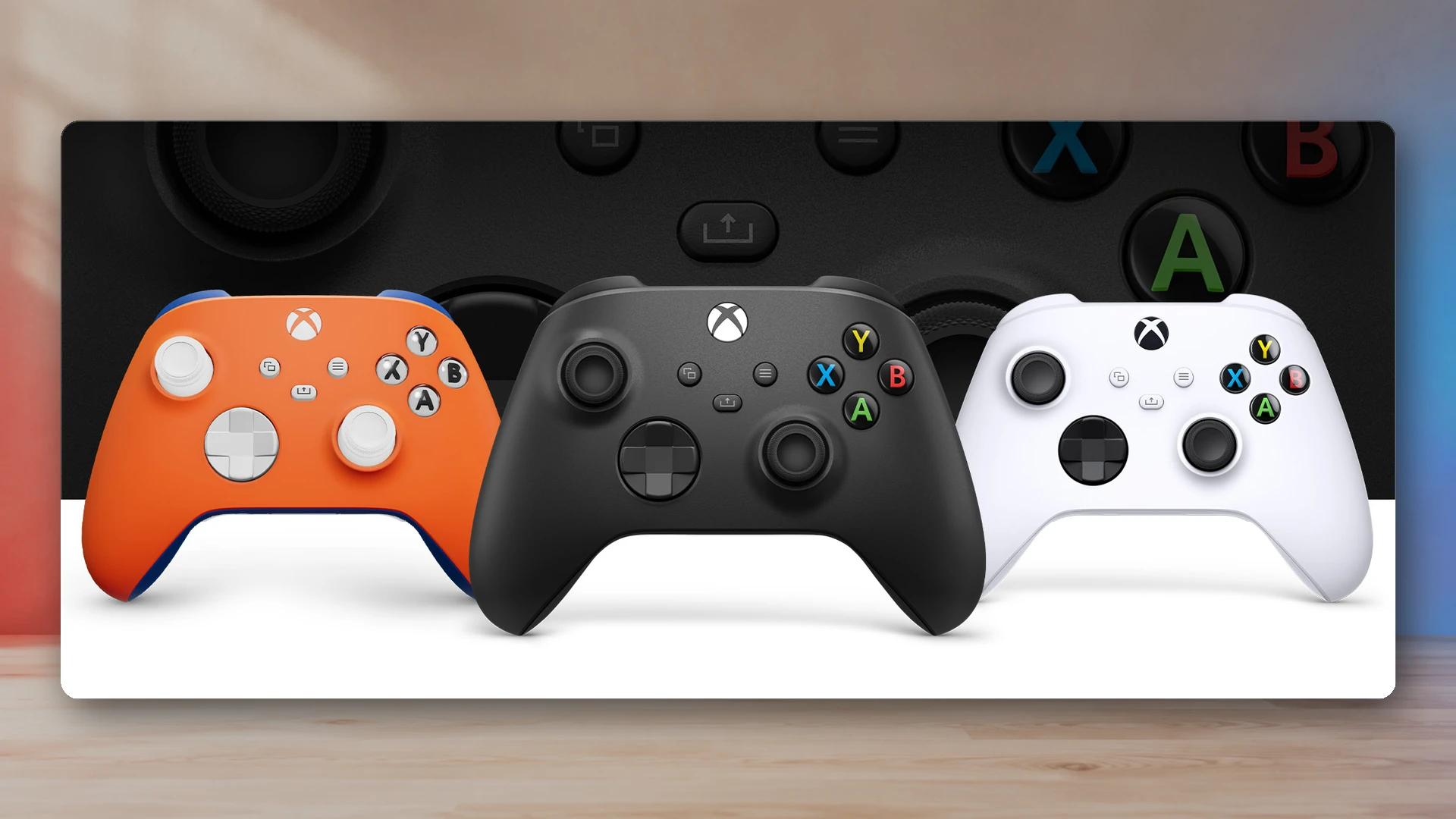
A practical explanation of why connection type is only one part of controller response, what browser tools can and cannot measure, and how to compare two modes fairly.
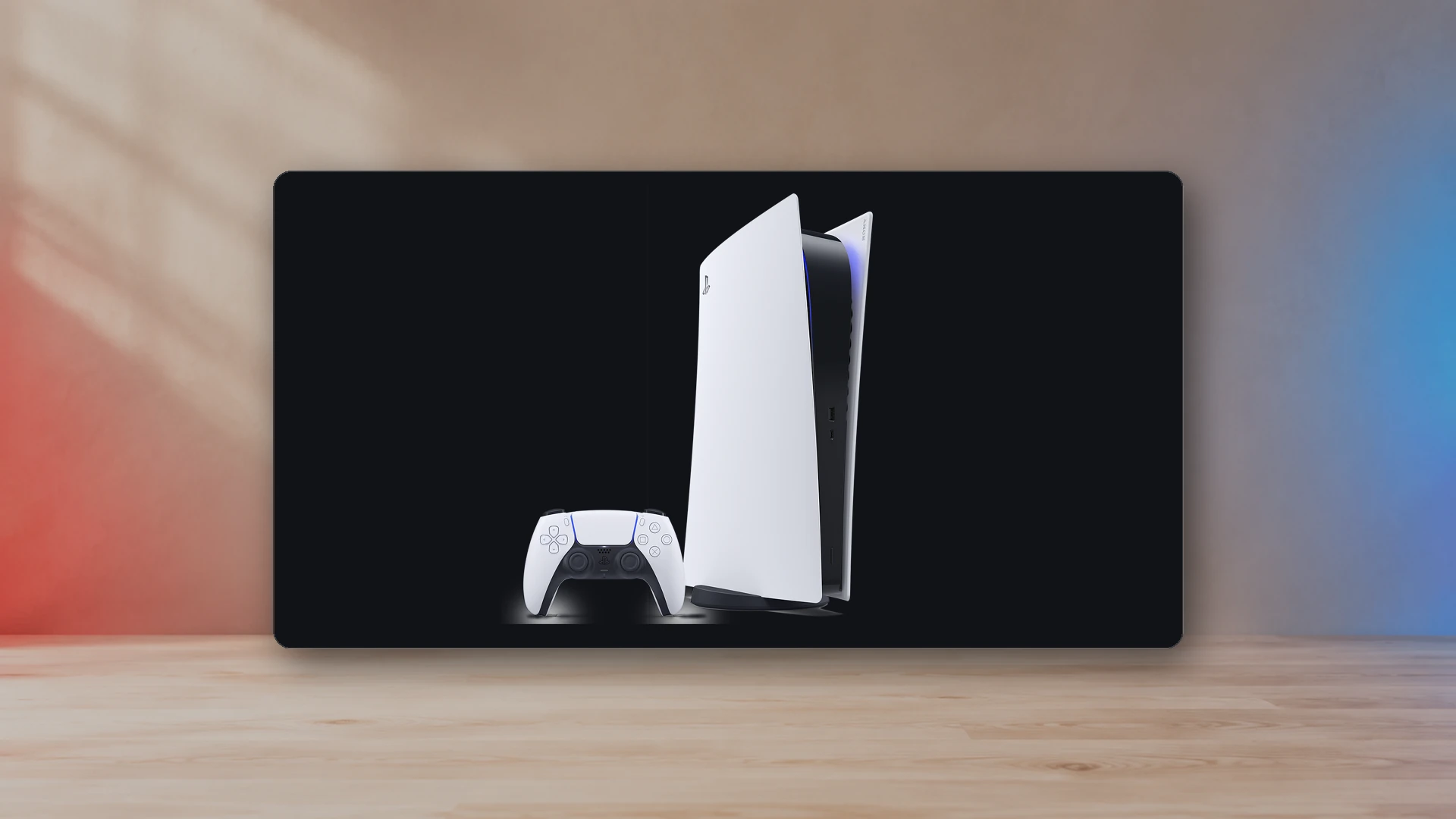
A systems-level explanation of the complete input-to-photon path, why a 1 ms response-time label is not a 1 ms input-lag measurement, and how refresh rate, frame rate, scanout, processing, pixels, and VRR interact.
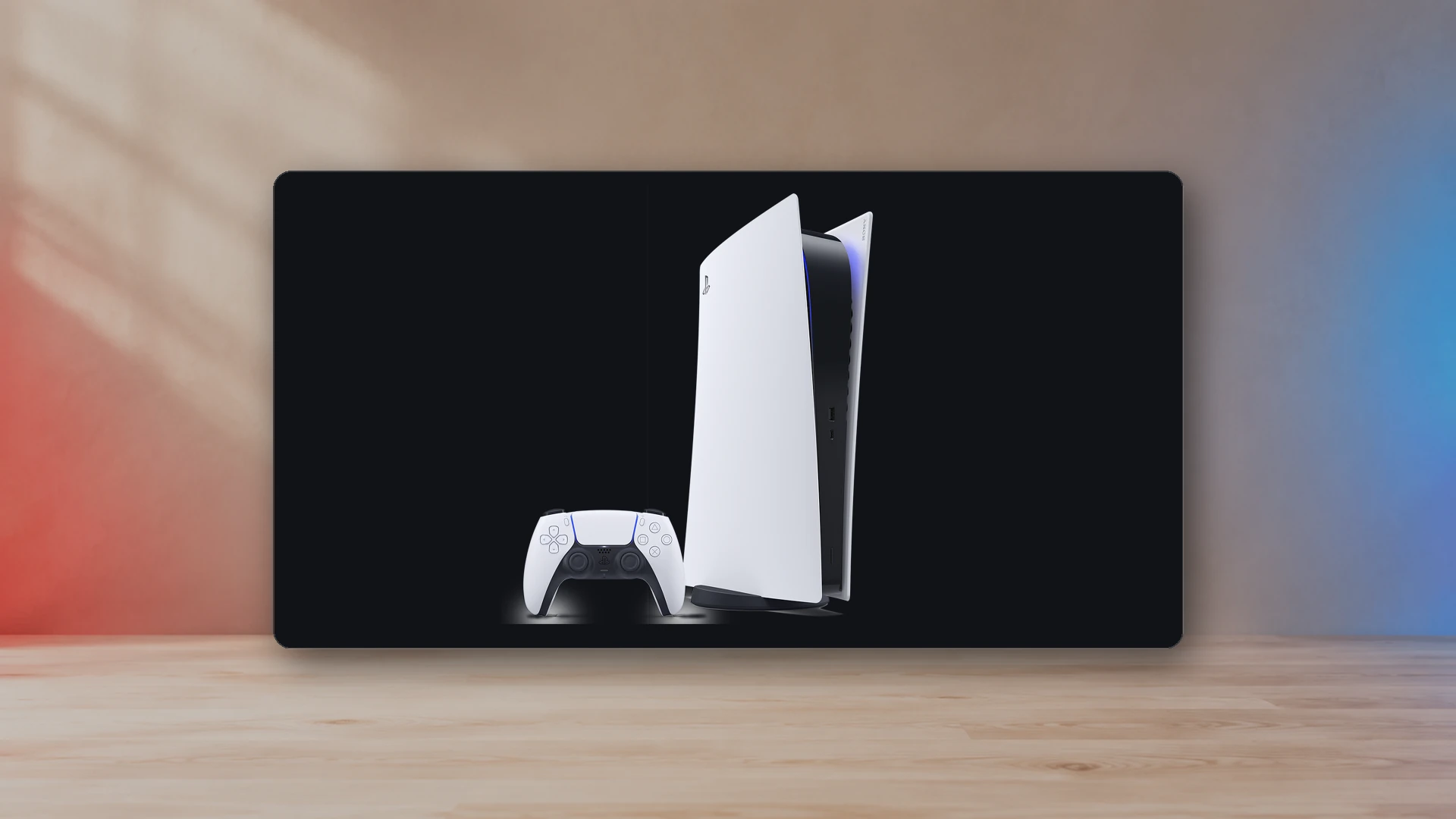
A plain-language display technology guide explaining what VRR, ALLM, 120 Hz, and HDMI 2.1 do, what they do not do, and how to verify support.