
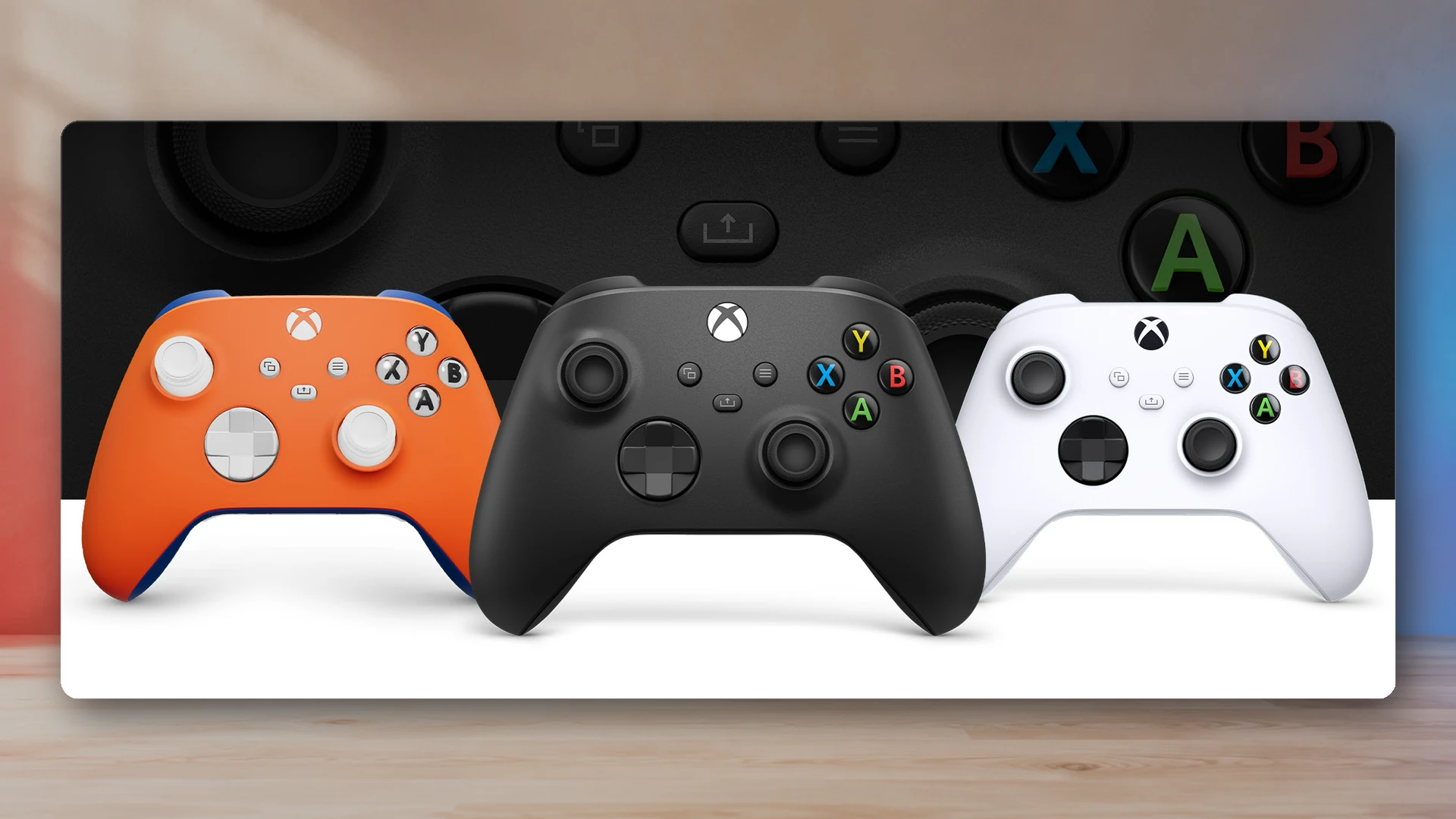
TMR vs Hall Effect Joysticks
Potentiometer sticks wear by design; Hall effect and TMR sticks read a magnet instead. What each sensor fixes, what it does not, and which controller to buy.
 NexusArcPlayer OS
Browse completed NexusArc news, articles, reviews, guides, gear coverage, and technology writing by publication date.
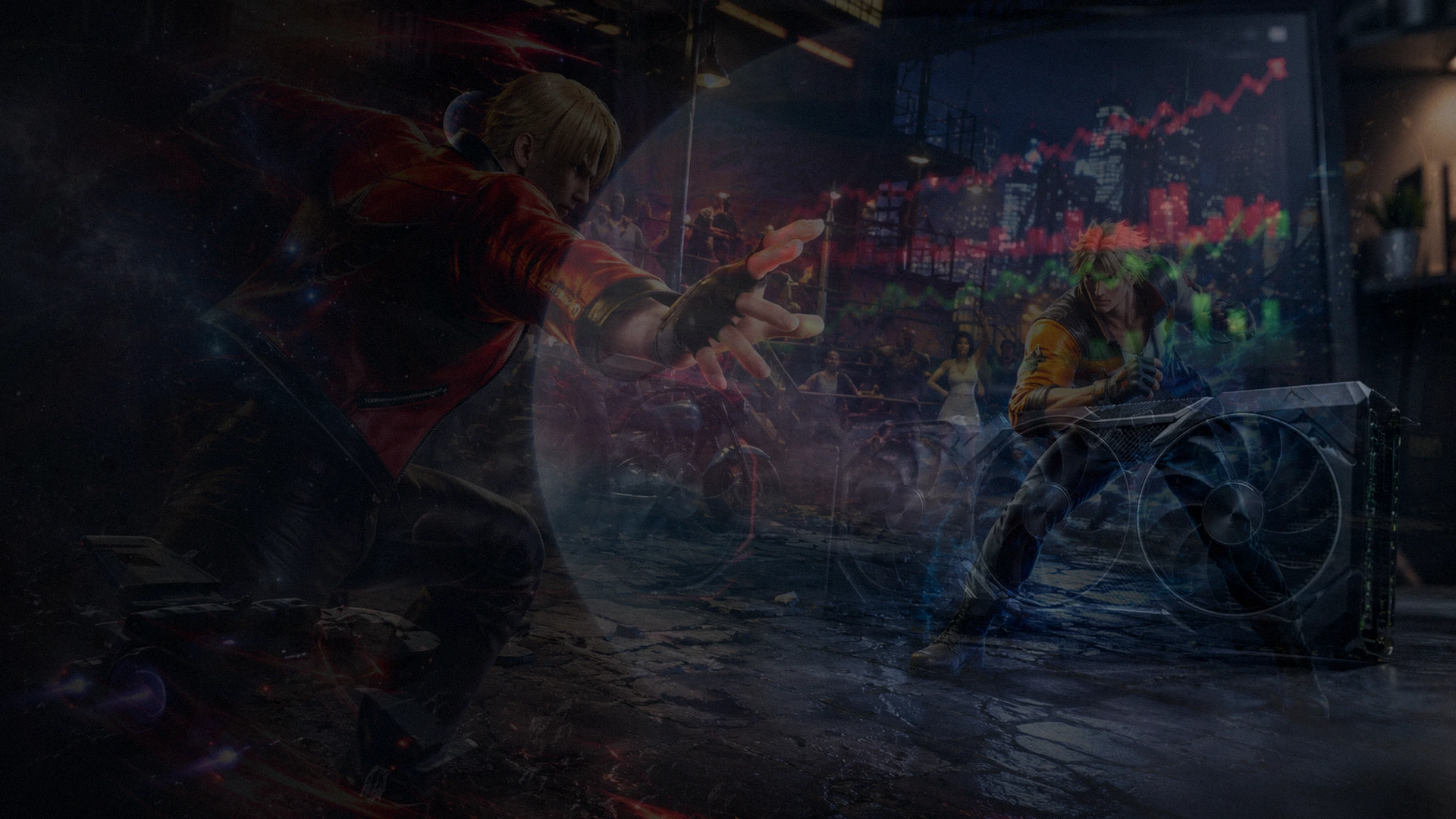
Potentiometer sticks wear by design; Hall effect and TMR sticks read a magnet instead. What each sensor fixes, what it does not, and which controller to buy.
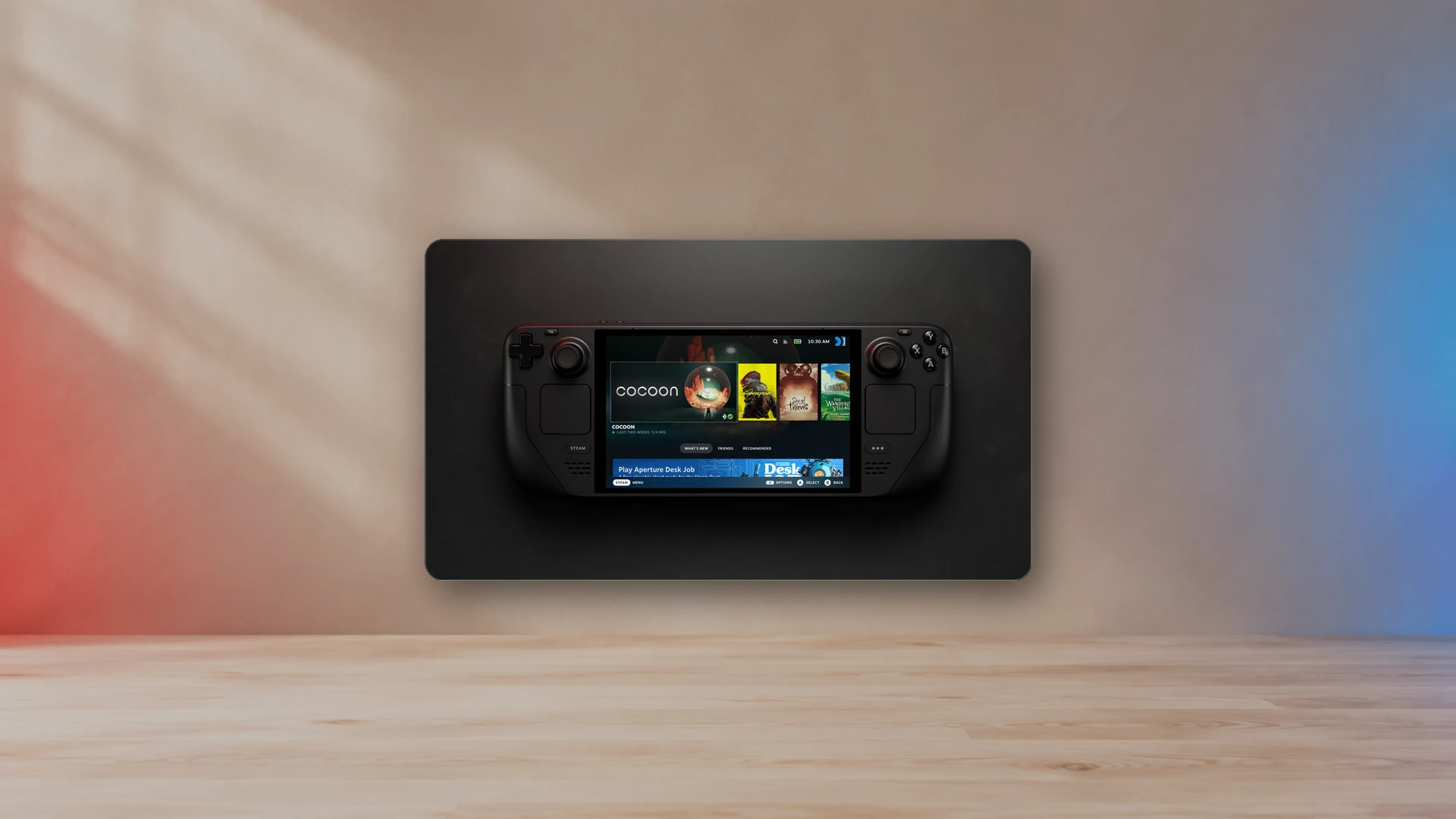
Deadzone source, deadzone shape, outer ring, response curves and anti-deadzone: what each Steam Input joystick setting changes, and the order to tune them in.
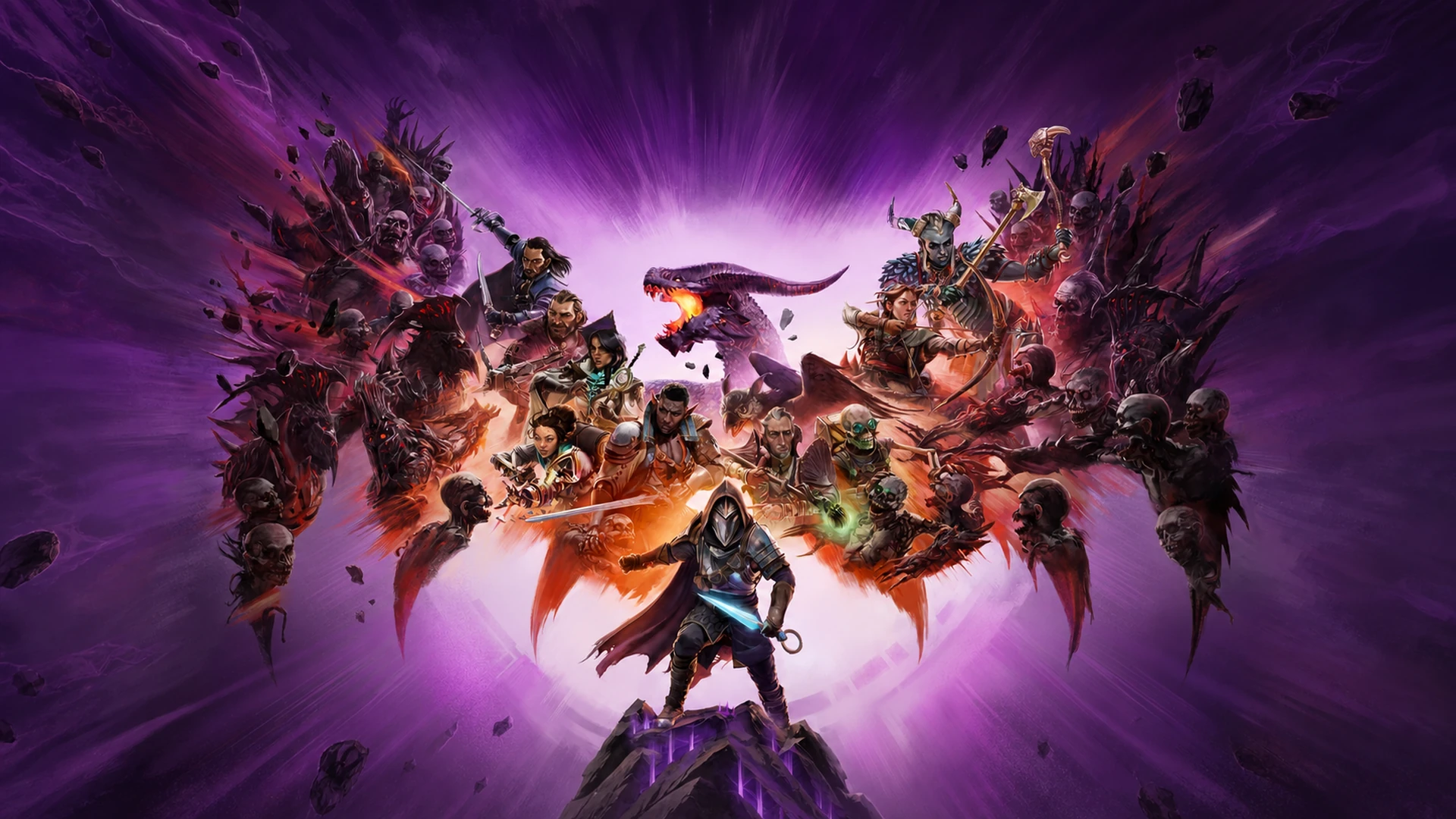
BioWare and its Edmonton workspace are closing. The next Mass Effect project is canceled, while Bloomberg reports wider job cuts across EA.

The Sift is Minecraft’s announced fourth dimension, but the base game will not get it until 2027. Minecraft Dungeons II introduces it first.

Ace Combat 8 keeps a quiet protagonist but lets players answer short prompts and direct squadmates. Those choices do not make the story branch.

The CONTROL follow-up shifts the focus to Dylan Faden and a city twisted by paranatural forces. Here is what the official listings confirm.

New Tales’ PS5 action-adventure lets its protagonist become liquid Æther, then use that transformation to cross spaces and alter encounters.
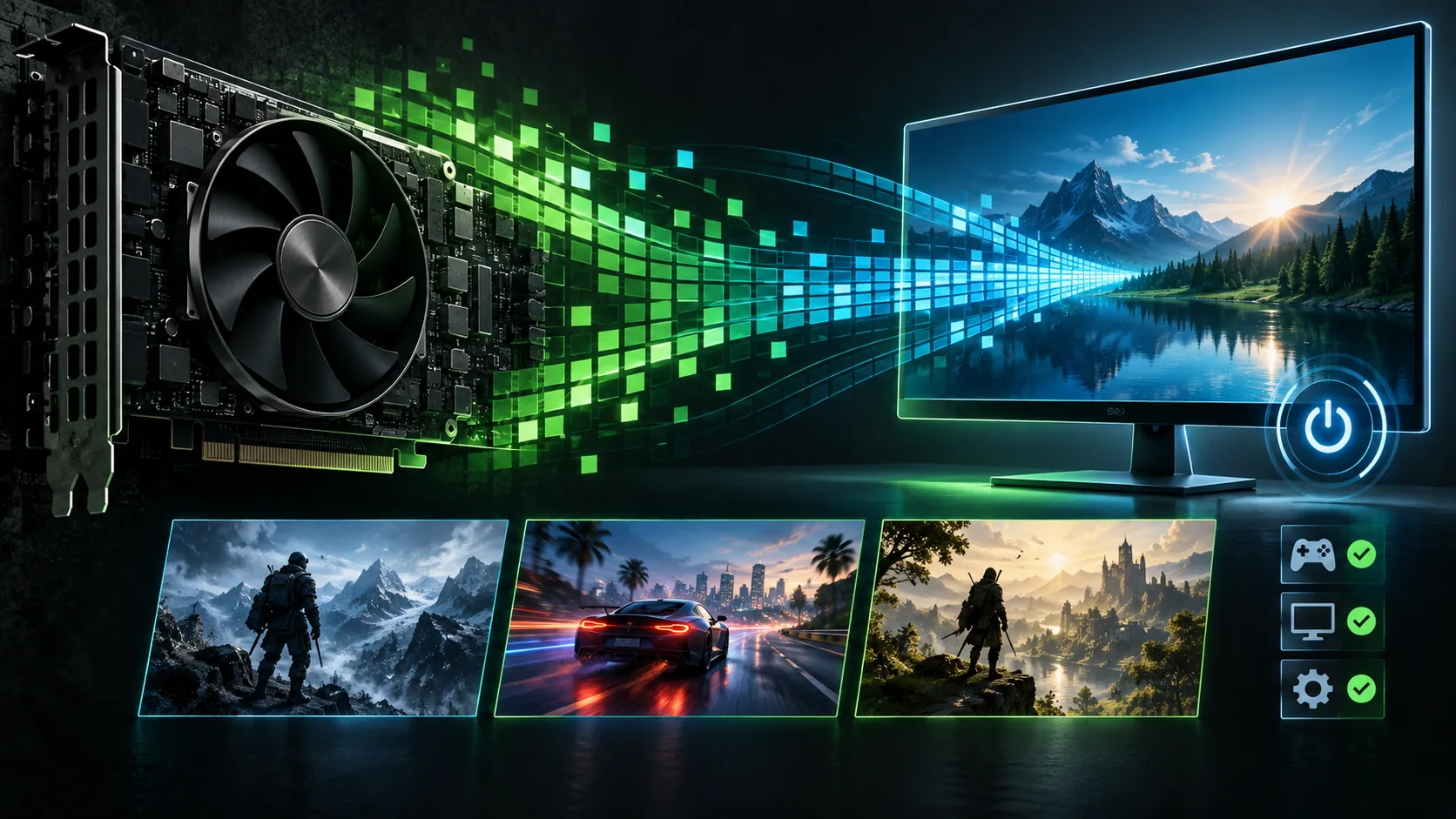
The 617.14 release notes list game-launch fixes and two monitor-related corrections. Check the affected hardware and games before treating it as a universal fix.
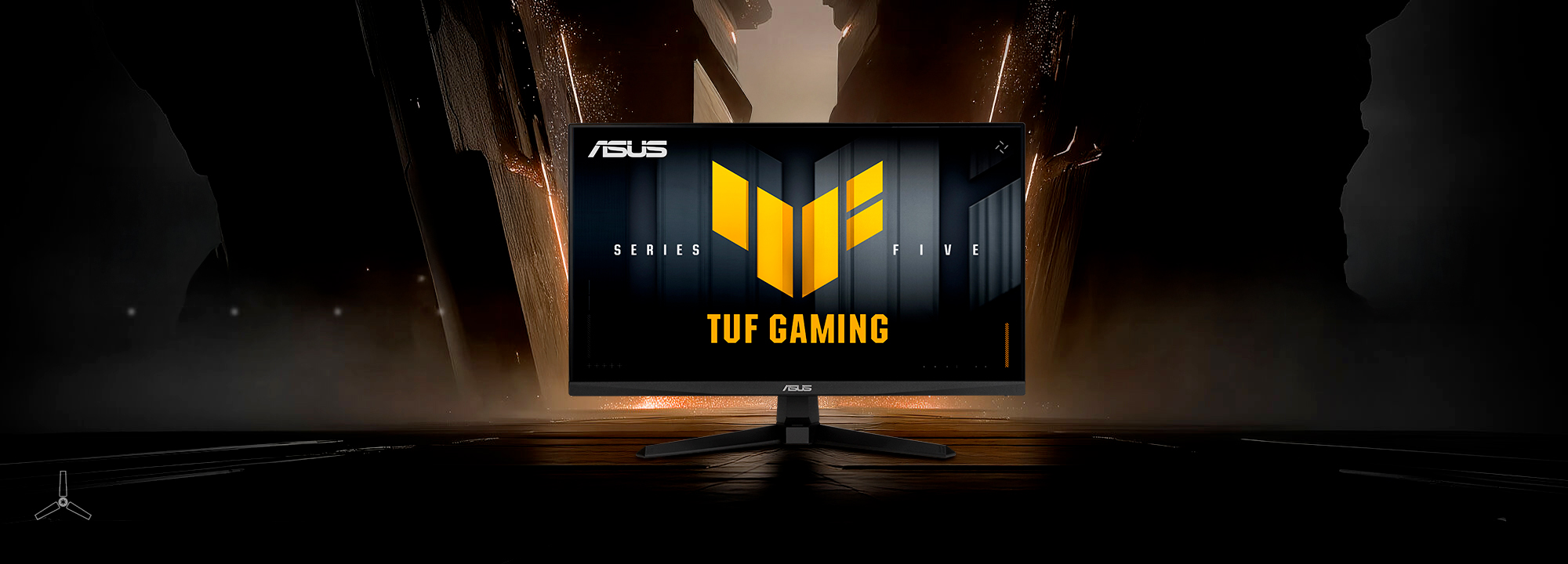
Four source-backed choices from affordable IPS to premium esports, with clear evidence limits and practical setup advice.
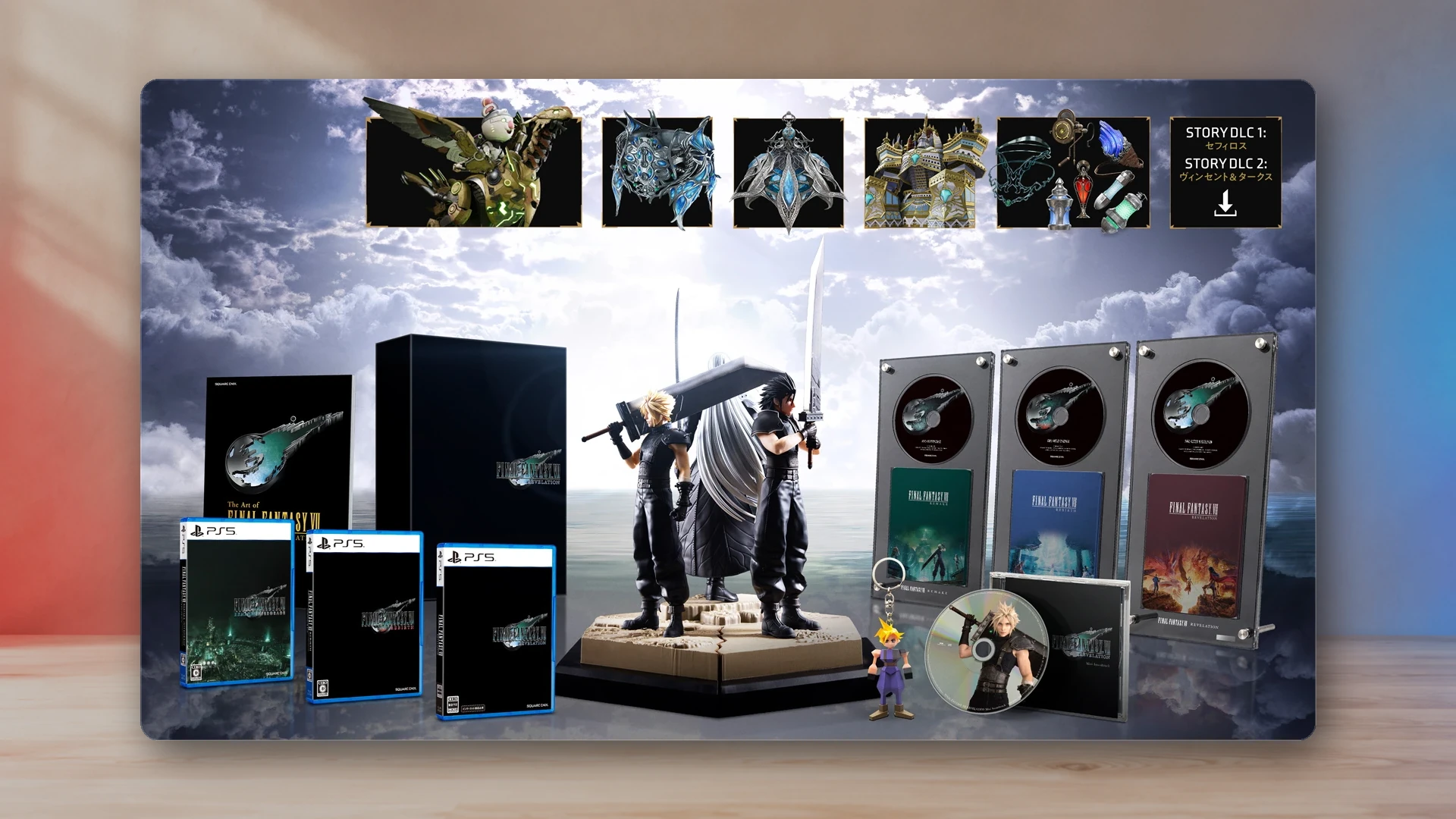
The roughly $500 set includes Remake Intergrade, Rebirth, Revelation, three SteelBooks, collector goods, and decorative package stands.
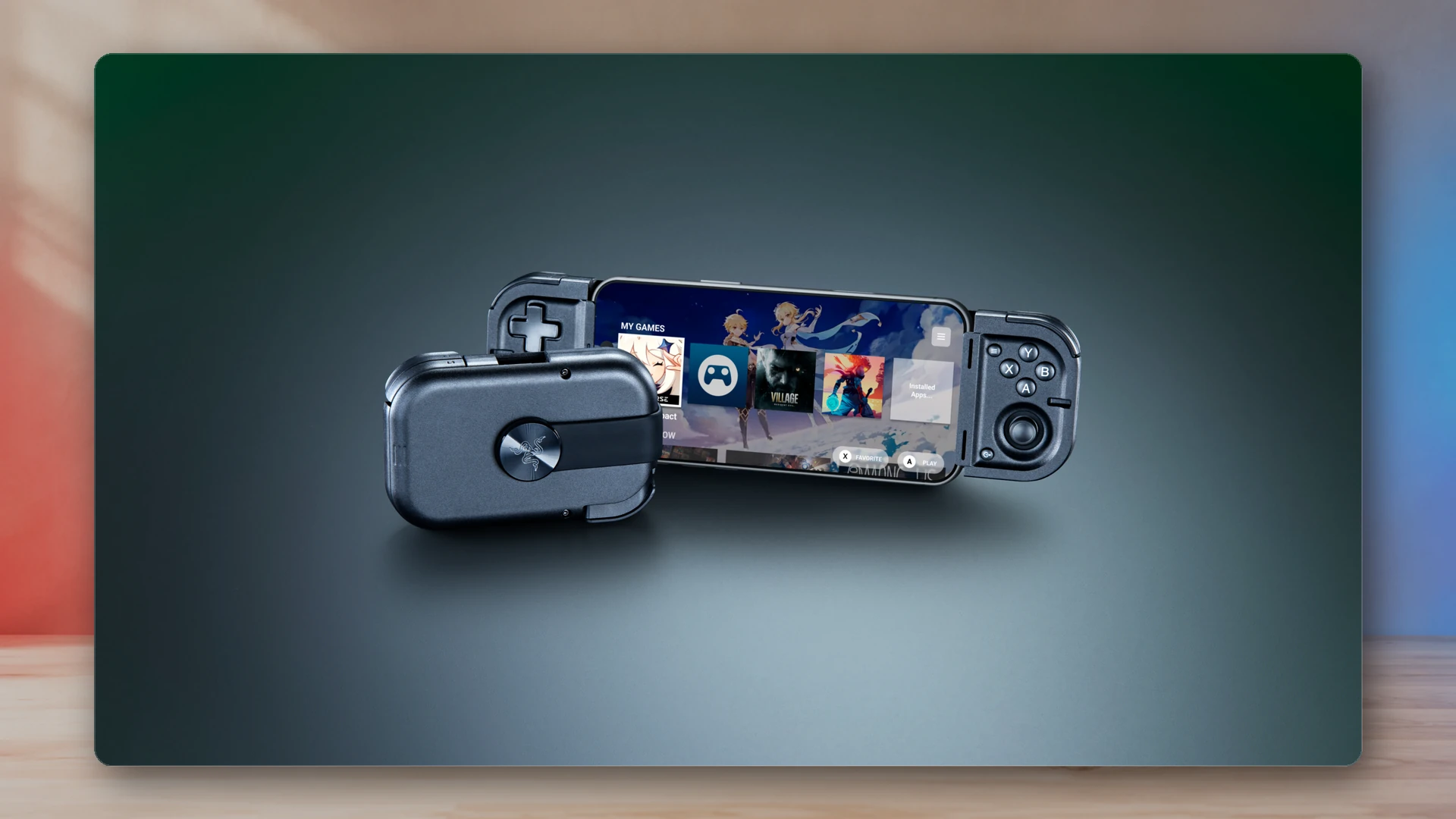
Prio folds to 107 by 67 by 23 millimeters and supports phones up to seven inches for native games, cloud play, Steam Link, and remote console or PC play.

The GTA 6 extended look is now available on Netflix and YouTube. We separate confirmed PS5, Xbox, story, and release details from unanswered questions.
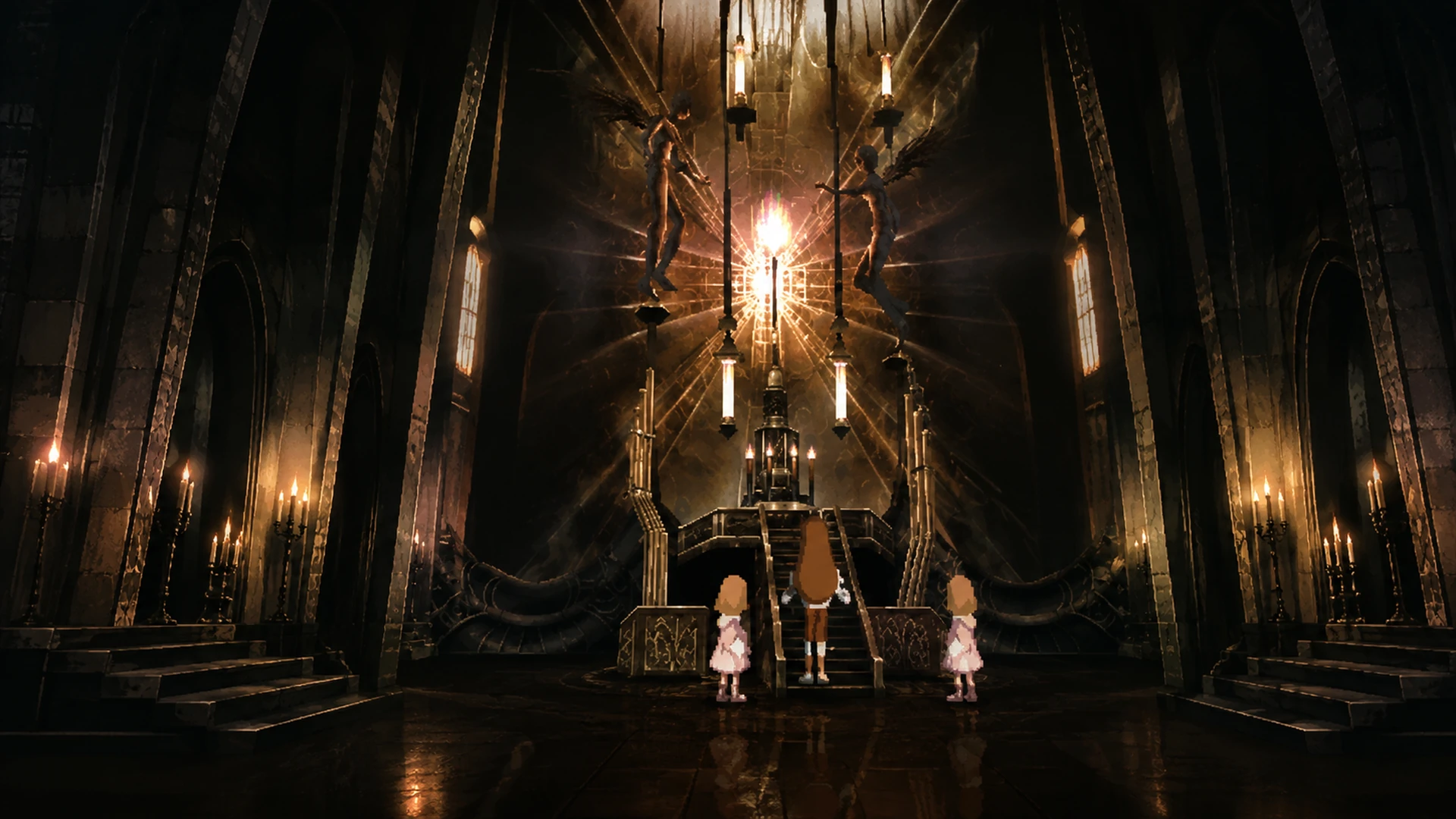
Project Benjamin has released an early Xenogears patch that turns two narrated Disc 2 sequences into playable fan reconstructions.
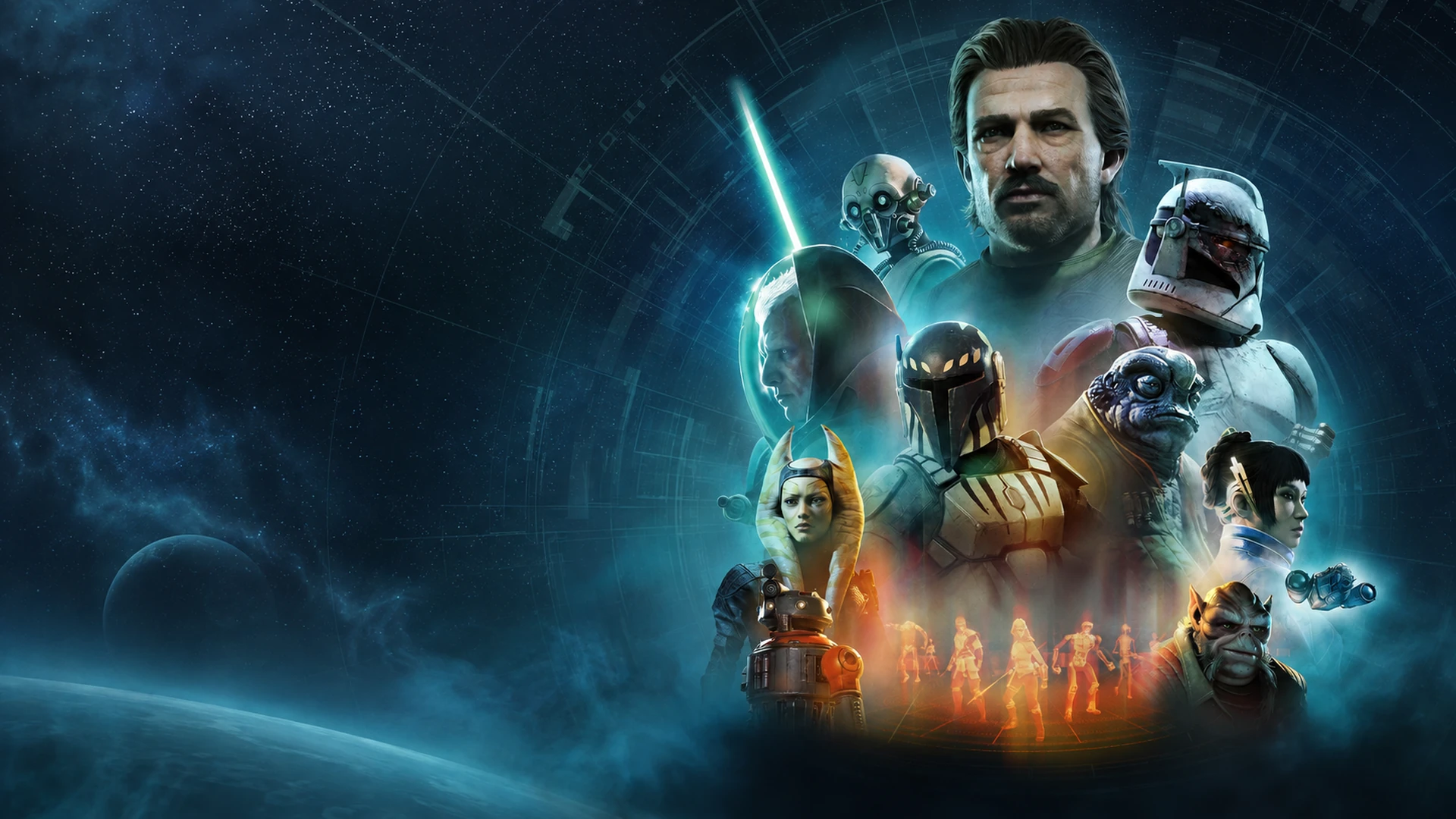
Bit Reactor’s turn-based tactics game is available now. Here are the confirmed platforms, global launch time, US PC price, and minimum and recommended specs.

The Witcher 3 Remastered arrives September 29 with upgraded visuals, combat, traversal, and free expansions for existing owners.
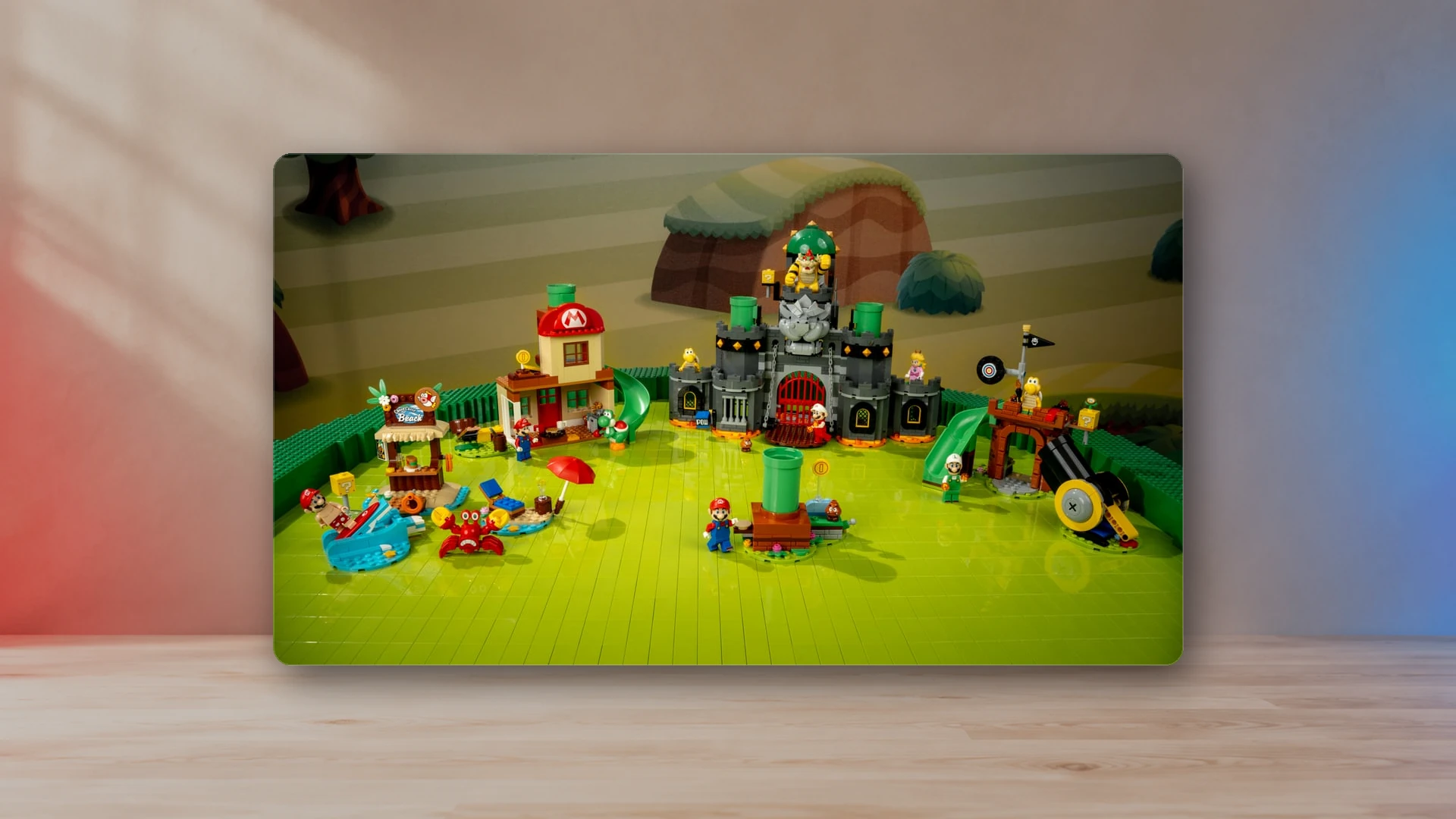
The refreshed LEGO Super Mario range finally moves to minifigure-scale play. Here are all eight announced sets, US prices, piece counts, and ages.
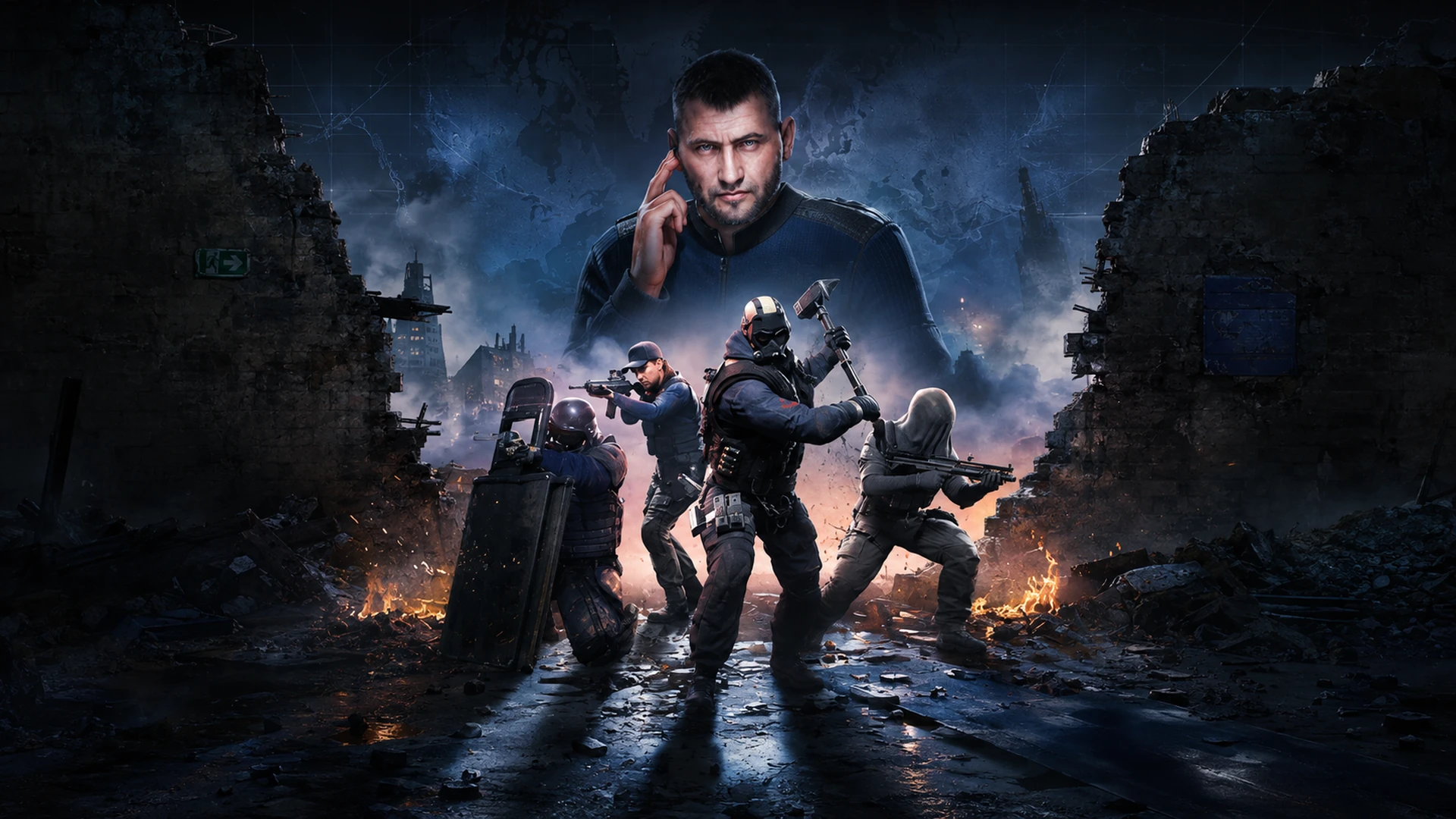
Rainbow Six Tactics puts players in command of four-operator squads across destructible, turn-based missions when it arrives in 2027.
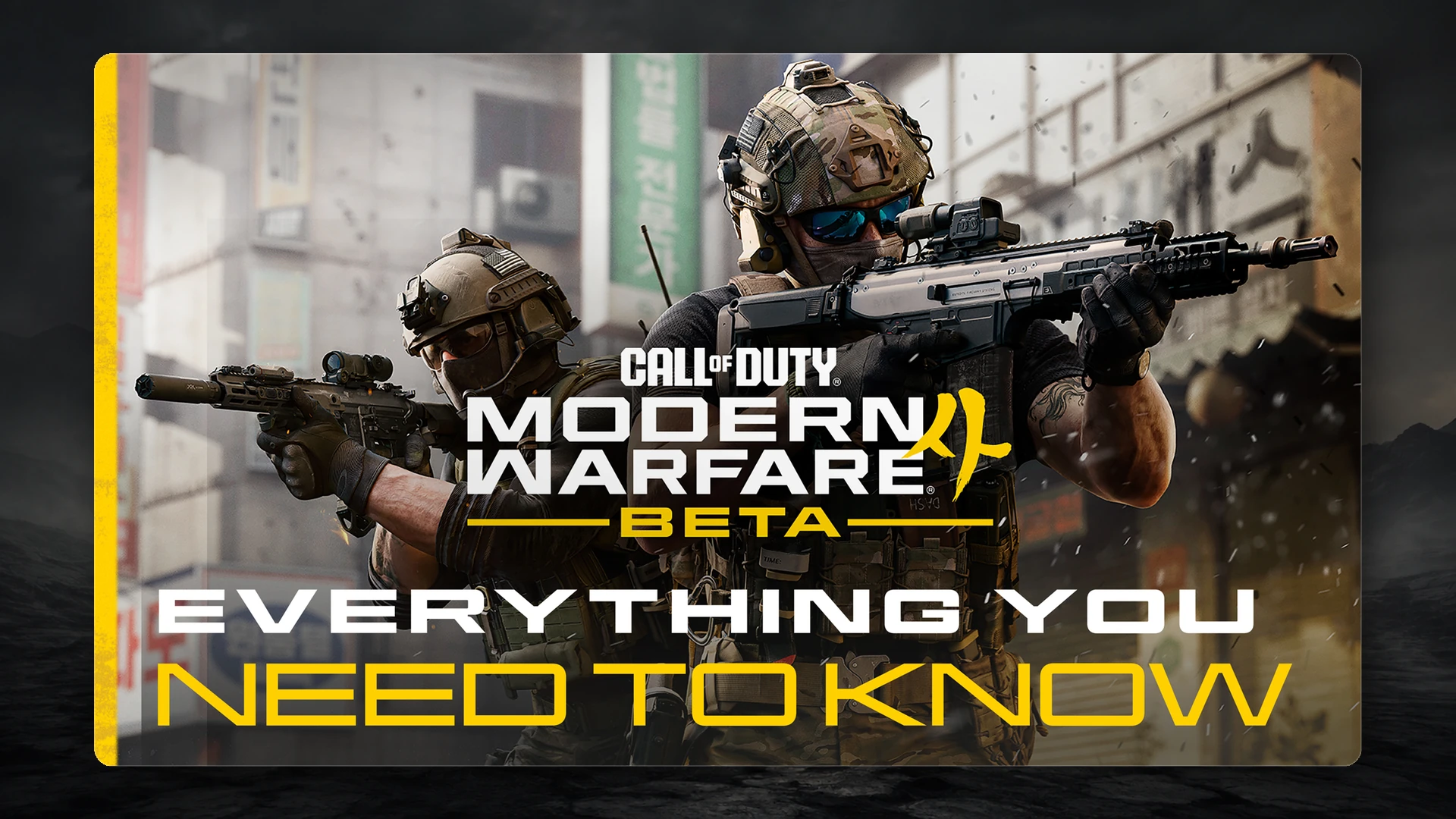
Call of Duty: Modern Warfare 4 opens its beta to all players on August 28, combining six multiplayer maps with campaign and Warzone samples.