

Best Fantasy Books Like Lord of the Rings: 10 Epic Series for Your Next Quest
Find the best fantasy books like Lord of the Rings, from Eragon and Dragonlance to The Witcher, Earthsea, Wheel of Time, and Stormlight.
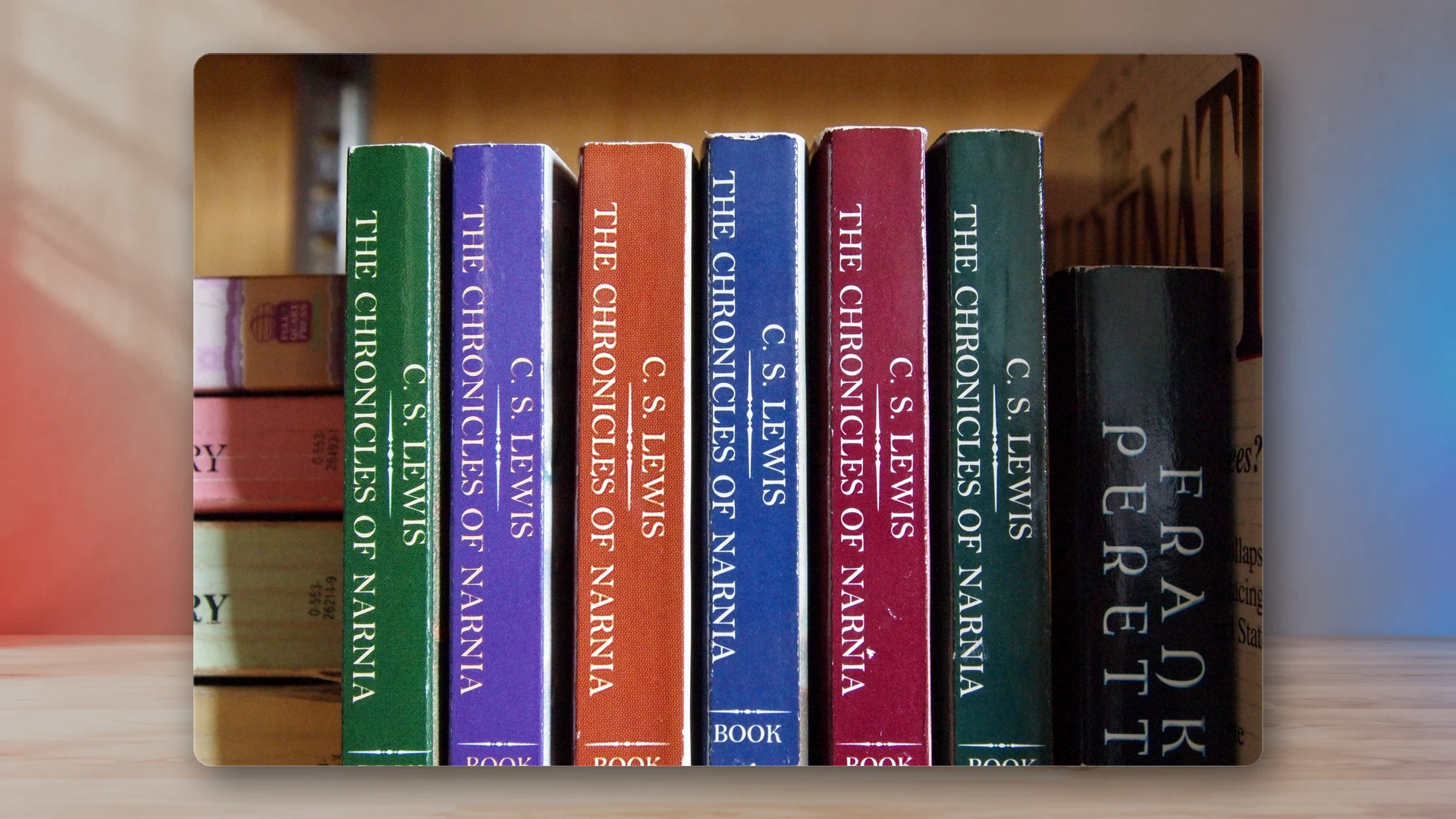
The best fantasy books like Lord of the Rings are not simple copies of Tolkien. The better matches pick up different pieces of the same spell: a dangerous quest, a fragile fellowship, old kingdoms under threat, songs and histories that make the world feel older than the plot, and characters who have to carry fear, temptation, loyalty, and sacrifice at the same time.
Readers leaving Middle-earth often want another fantasy world with weight. Some of these picks follow a classic party adventure; others turn darker or trade Tolkien's pastoral melancholy for dragons, court politics, sword-and-sorcery, magical schools, dead gods, or sprawling wars. The best next series depends on what you miss most: the road, the fellowship, the mythology, the monsters, or the sense that a small choice can tilt an age.
Start with the series that matches your reading mood
Some links below are affiliate links. NexusArc may earn a commission from qualifying purchases, without affecting the recommendation logic. Pick the format you actually prefer: paperback box set, single-volume starter, or Kindle edition.
Quick answer: what should a Lord of the Rings fan read next?
If you want the closest emotional temperature to Tolkien, read Tad Williams’ Memory, Sorrow, and Thorn, starting with The Dragonbone Chair. It has patience, old grief, political fracture, difficult travel, and the feeling of a world waking up to a danger it would rather keep buried.
If you want a party of heroes, clashing personalities, dragons, and war, start with Dragons of Autumn Twilight. It is less solemn than Tolkien, but it understands the appeal of a group moving through danger together. If you want a younger, more direct dragon-and-rider arc, start with Eragon. If you want the darker side of myth, monster hunting, and moral compromise, start with The Last Wish. If you want a huge completed saga, The Wheel of Time is the most obvious long-term commitment.
No book is a perfect replacement for Lord of the Rings. These series take nearby roads: some lead toward dragons, some toward ancient kings, some toward horror, some toward philosophical magic, and some toward wars that swallow whole cultures.
What “like Lord of the Rings” really means
Readers use the phrase in different ways. For one person, it means maps, names, lost ruins, and songs. For another, it means a fellowship built from unlikely friends. For another, it means a war against an ancient evil. For another, it means a humble protagonist carrying a burden that powerful people cannot safely touch.
The list sorts books by the part of Tolkien's appeal they carry forward rather than how closely they imitate him. A reader who wants dragons should not start in the same place as a reader who wants quiet myth. A reader who wants clean heroism should not be handed grim monster stories without warning.
| If you loved... | Look for... | Best matches here |
|---|---|---|
| The Fellowship | A varied group whose loyalty matters as much as individual power. | Dragonlance, Wheel of Time, Prydain, Riftwar. |
| The long road across Middle-earth | Changing landscapes, ruins, borders, wilderness, old roads, and distant cultures. | Memory, Sorrow, and Thorn; Wheel of Time; Riftwar; Inheritance Cycle. |
| Deep history beneath the plot | Lost kingdoms, old betrayals, remembered wars, inherited legends, and layered mythology. | Memory, Sorrow, and Thorn; Earthsea; Stormlight Archive. |
| Dragons and legendary creatures | Dragons as allies, enemies, symbols, or remnants of older ages. | Inheritance Cycle, Dragonlance, Earthsea, Riftwar. |
| Moral temptation | Power, corruption, sacrifice, fear, compromise, and the cost of victory. | The Witcher, Earthsea, Stormlight Archive, Diablo. |
Fantasy series comparison table
This is not a strict ranking. It is a route map. Start with the series that matches the part of Middle-earth you want to feel again.
| Series | Start with | Closest Tolkien quality | Tone | Reading commitment |
|---|---|---|---|---|
| Memory, Sorrow, and Thorn | The Dragonbone Chair | Slow mythic build, old kingdoms, ancient danger. | Melancholy, patient, immersive. | Original trilogy plus later books. |
| The Wheel of Time | The Eye of the World | Prophecy, cultures, travel, an age-scale conflict. | Expansive and increasingly political. | 14 main novels plus prequel. |
| The Riftwar Cycle | Magician or Magician: Apprentice | Kingdoms at war, young heroes, magic, other worlds. | Fast-moving classic adventure. | Accessible opening saga; larger connected cycle. |
| Dragonlance Chronicles | Dragons of Autumn Twilight | Party adventure, dragons, war, heroic sacrifice. | Dramatic, character-driven, high-adventure. | Core trilogy, then many related books. |
| The Inheritance Cycle | Eragon | Dragon bond, young hero, empire, resistance. | Accessible and earnest. | Four main books, plus related Eragon material. |
| The Witcher | The Last Wish | Myth reworked through monsters, politics, and moral ambiguity. | Dark, sharp, episodic at first. | Short stories, then novels. |
| Earthsea | A Wizard of Earthsea | Magic, language, balance, inner cost. | Quiet, spare, mythic. | Short books with lasting weight. |
| Stormlight Archive | The Way of Kings | Ancient orders, broken worlds, oaths, war, myth. | Huge, modern, emotionally direct. | Very long ongoing epic. |
Before leaving Middle-earth, check whether you have more Tolkien to read
If you have only read The Hobbit and Lord of the Rings, the first recommendation may still be Tolkien. The Silmarillion is not structured like a modern novel, but it gives Middle-earth its deep mythic backbone: creation, rebellion, exiled peoples, doomed wars, pride, grief, and the terrible beauty of stories that feel half scripture and half legend.
Readers who want a smoother bridge can look at The Children of Húrin, Beren and Lúthien, or The Fall of Gondolin. They are heavier, older-feeling texts, but they answer a different kind of craving: not “what happens after Frodo?” but “what ancient sorrow shaped the world Frodo inherited?”
Not every Tolkien fan wants more Tolkien right away. Some readers want the feeling of turning the page into a new map. The rest of this list follows that route.
The Inheritance Cycle by Christopher Paolini
Start with Eragon
Eragon is the easiest recommendation for readers who want dragons, rebellion, a young hero leaving home, and a readable path into a large fantasy world. It does not carry Tolkien’s linguistic gravity, but it does understand the pull of a rural beginning, a dangerous empire, an older magical order, and a bond that forces a boy into a war larger than his village could imagine.
The series stands out because the dragon bond is not decoration. Saphira is not a mount waiting in the background; she is a character, a partner, a source of power, a source of tension, and often the best reason to keep reading. The emotional center is not simply “hero gets stronger.” It is the growing relationship between rider and dragon, and the responsibility that comes with becoming a symbol before you are ready.
For Tolkien readers, the fit is strongest if you liked the movement from the small world into the vast one. There are mentors, hidden histories, languages, strange peoples, and an oppressive power that has to be resisted across a broad map. The prose is more direct and the early book is noticeably young-adult in shape, but the series grows with its cast and becomes more politically and morally layered as it moves.
Read The Inheritance Cycle
Use the four-book set for the core saga, the five-book Eragon world set if you also want Murtagh, or Kindle if you prefer a single digital collection.
Diablo: The Sin War trilogy by Richard A. Knaak
Start with Birthright
This is the darkest recommendation on the list, and it is here for readers who remember that Tolkien also had horror: mines full of old fear, cursed objects, corruption, ruin, and the sense that evil can outlast kingdoms. Diablo: The Sin War is not a fellowship quest in the Tolkien mode. It is cosmic dark fantasy tied to Blizzard’s Diablo universe, with angels, demons, manipulation, cult power, and human beings caught between forces that do not treat them gently.
Birthright works best if you want the feeling of ancient evil pressing into ordinary life. The world is harsher than Middle-earth, the spiritual conflict is more explicit, and the atmosphere leans toward dread rather than wonder. That makes it a poor fit for readers who want songs, inns, green hills, and slow melancholy. It is a better fit for readers who want the Mordor side of fantasy: temptation, suffering, infernal bargains, and power that scars the people who touch it.
The book also suits gamers who already know Diablo through the games and want fiction that adds mythic background to Sanctuary. Read it as dark franchise fantasy, not as a replacement for Tolkien’s elegance. Its value is mood: grim magic, secret histories, and the sense that humanity’s place in the universe is being contested by beings with very old plans.
Read Diablo: The Sin War
Start with Birthright if you want a darker fantasy branch with demons, divine politics, and a much harsher world than Middle-earth.
The Witcher by Andrzej Sapkowski
Start with The Last Wish
The Witcher is not like Tolkien on the surface. It is sharper, more cynical, more political, and built first around short stories rather than a single monumental quest. Still, it belongs in this guide because it scratches one of the most important post-Tolkien itches: old myths being reexamined by a world that has become tired, violent, and morally complicated.
The Last Wish introduces Geralt through monster contracts, cursed kingdoms, broken fairy-tale logic, and choices where the clean heroic answer often does not exist. The appeal is not fellowship purity; it is judgment under pressure. Geralt has a code, but that code keeps being tested by people who are frightened, selfish, grieving, powerful, or trapped by systems older than they are.
Fantasy readers who love Tolkien’s moral seriousness may find a different kind of seriousness here. Sapkowski’s world asks what happens when legends are messy, when monsters have reasons, when humans are worse than the creatures they fear, and when a professional killer is still capable of tenderness. It is also a smart recommendation for RPG fans because the books help explain why the games became such a strong adaptation target: the world is full of quests before it ever becomes one grand quest.
Read The Witcher
Use The Last Wish as the gateway. The illustrated edition is best for a display copy; the standard paperback or Kindle version is easier for everyday reading.
The Riftwar Cycle by Raymond E. Feist
Start with Magician or Magician: Apprentice
Raymond E. Feist’s Riftwar books are for readers who want classic fantasy motion: young protagonists, kingdoms under attack, magic, strange worlds, military pressure, and an opening saga that feels approachable without feeling small. Magician is the usual entry point, while Magician: Apprentice is the split-volume version many readers know.
The Tolkien connection is not a one-to-one match. Riftwar moves faster and has a more game-table adventure energy. That can be a strength. If Lord of the Rings gave you the desire for a big map but you want a cleaner pace, Feist gives you a world where the political and magical stakes climb quickly. It is especially good for readers who like the idea of a fantasy war shaped by more than one culture and more than one plane of reality.
Riftwar is easy to enter. It has the broad pleasures of older epic fantasy without asking the reader to solve an encyclopedia before the story starts. There are apprentices, court tensions, invasions, friendships, battles, and an opening book that serves as the front gate to a much larger connected universe.
Read Riftwar
Start with Magician or Magician: Apprentice depending on the edition available to you.
Dragonlance Chronicles by Margaret Weis and Tracy Hickman
Start with Dragons of Autumn Twilight
If the fellowship was your favorite part of Tolkien, Dragonlance Chronicles is one of the cleanest next stops. Dragons of Autumn Twilight gives you a party of distinct personalities, old friendships, clashing motives, dragons returning to the world, and a war that forces flawed people into heroic roles.
The style is more dramatic and tabletop-flavored than Tolkien. That means more banter, more archetypal party dynamics, more visible adventure structure, and less of Tolkien’s solemn historical voice. But the tradeoff works if you want momentum. Dragonlance is easy to picture as a campaign around a table: the warrior, the mage, the cleric, the rogue, the conflicted companions, the impossible odds, and the sense that loyalty has to survive fear.
It stands out because it makes the group matter. The characters do not always like each other, and the party is not a perfect heroic unit. That friction gives the adventure texture. Readers who want dragons, old gods, war, sacrifice, and a classic fantasy cast should start here before moving deeper into the wider Dragonlance library.
Read Dragonlance Chronicles
Dragons of Autumn Twilight is the clean starting point for the original Chronicles trilogy.
The Chronicles of Prydain by Lloyd Alexander
Start with The Book of Three
The Chronicles of Prydain is shorter, gentler in presentation, and often shelved for younger readers, but it should not be dismissed as lightweight. Lloyd Alexander builds a mythic coming-of-age fantasy out of Welsh-inspired material, with humor, melancholy, courage, failure, and a clear sense that growing up means learning the limits of glory.
For Tolkien fans, Prydain is appealing because it understands humility. Taran begins as an assistant pig-keeper who wants heroic stature before he understands what heroism costs. That makes the series a good fit for readers who loved the hobbits’ smallness in a large war. The books are cleaner and quicker, but the emotional lessons are not empty.
Prydain also works well as a family recommendation. It has darkness, danger, and loss, but it is more approachable than most adult epic fantasy. If a younger reader has finished The Hobbit and wants another mythic world before tackling denser books, this is one of the best bridges.
Memory, Sorrow, and Thorn by Tad Williams
Start with The Dragonbone Chair
For readers asking for the closest Tolkien-adjacent epic on this list, The Dragonbone Chair is the answer. Tad Williams builds slowly, and that patience is the point. The world feels layered with old wars, fragile kingdoms, fading orders, buried mistakes, and powers that many characters do not fully understand until it is too late to ignore them.
The opening can feel quiet compared with modern fantasy, but that slow start gives the later danger weight. Like Tolkien, Williams is interested in how history presses on people who did not create it. The heroes are not stepping into a blank quest board. They are walking into the aftermath of decisions, betrayals, and myths that have been hardening for generations.
This series also stands out for mood. It has winter, grief, old stones, divided houses, strange peoples, and a creeping supernatural threat. It is not a clone of Middle-earth, and it is not as linguistically enchanted as Tolkien, but it is one of the best choices for readers who want fantasy that feels old before the first page opens.
The Wheel of Time by Robert Jordan and Brandon Sanderson
Start with The Eye of the World
The Eye of the World begins with one of the most familiar post-Tolkien shapes: rural youths pulled into danger, a mysterious guide, pursuit by dark forces, travel through a larger world, and the discovery that old prophecies are not safely dead. Readers coming straight from Tolkien will recognize the early structure, but The Wheel of Time quickly becomes its own machine.
The series’ greatest strength is scale. It does not simply widen the map; it widens the politics, cultures, magic, gendered institutions, prophecies, rival loyalties, and consequences. Over time, the story becomes less about a single road and more about a world trying to survive the return of a cosmic threat while tearing itself apart over power, fear, and belief.
The commitment is enormous. Fourteen main books plus a prequel is not a casual detour. But if you want a completed saga with cultures you can argue about, factions you can track, prophecies that reshape nations, and a cast that sprawls far beyond the opening village, this is the long road.
The Earthsea Cycle by Ursula K. Le Guin
Start with A Wizard of Earthsea
A Wizard of Earthsea is shorter than most books on this list, but it carries more weight than many larger epics. Ursula K. Le Guin’s fantasy is built around language, balance, identity, pride, and consequence. Magic is not a spell menu. It is tied to true names, restraint, and the danger of acting before you understand the world you are changing.
For Tolkien readers, Earthsea is the best match for mythic clarity and moral interiority. It does not offer a fellowship in the same way, and it does not build toward enormous battlefield spectacle. It instead gives you a young wizard whose central conflict is bound to fear, arrogance, shadow, and self-knowledge.
The series stands out because it trusts quiet power. Le Guin does not need huge page counts to create depth. Islands, names, dragons, schools of magic, and spiritual reckoning all carry symbolic force. If you loved the sense that words, names, and old wisdom mattered in Tolkien, Earthsea should be near the top of your list.
The Stormlight Archive by Brandon Sanderson
Start with The Way of Kings
The Stormlight Archive is the modern epic fantasy pick for readers who want scale, worldbuilding, magic systems, ancient orders, spectacular battles, and characters pushed through trauma, duty, failure, and oath-bound change. It is not Tolkien-like in prose style, but it is serious about myth, history, war, and the burden of becoming the kind of person a broken world needs.
Roshar feels very different from Middle-earth. Its storms, ecology, armor, weapons, social structures, and magical orders make it less medieval-pastoral and more alien-fantasy. That difference is part of the appeal. Readers who want another world that feels deeply constructed but more modern in pacing and structure may find it here.
The commitment is large and still ongoing. Start only if you are ready for long books with many viewpoints and a design that clearly thinks in arcs measured across thousands of pages. If you want the sense of old powers returning, vows gaining literal force, and heroes trying to become worthy of the ideals they claim, The Way of Kings earns its place.
Which fantasy series should you choose by reading mood?
| Reading mood | Best choice | Reason |
|---|---|---|
| Closest to Tolkien’s mythic patience | The Dragonbone Chair | Slow build, old history, travel, cold dread, and kingdoms under strain. |
| Best dragon bond | Eragon | The rider-and-dragon relationship is central, emotional, and readable. |
| Best party adventure | Dragons of Autumn Twilight | Classic companions, dragons, war, and character friction. |
| Best dark fantasy branch | Birthright | Demons, cosmic conflict, corruption, and a harsher spiritual fantasy world. |
| Best morally gray fantasy | The Last Wish | Monsters, politics, myths, and decisions without clean answers. |
| Best shorter classic | A Wizard of Earthsea | Brief, mythic, thoughtful, and built around language and consequence. |
| Best enormous completed saga | The Eye of the World | A huge finished epic with prophecy, factions, cultures, and war. |
| Best modern mega-epic | The Way of Kings | Large-scale worldbuilding, oaths, battles, and deeply structured magic. |
Series length, accessibility, and reading difficulty
If you want a lower-commitment next read, start with A Wizard of Earthsea, The Book of Three, or The Last Wish. Each gives a strong sense of its world without demanding fourteen novels up front. They are also good ways to test what kind of fantasy you want next: mythic, coming-of-age, or morally gray.
If you want a medium commitment, Dragonlance Chronicles, The Inheritance Cycle, and the opening Riftwar books are friendlier paths. They give you enough room for attachment without asking you to reorganize your whole reading year.
If you want a major commitment, choose The Wheel of Time, Memory, Sorrow, and Thorn, or The Stormlight Archive. These are best when you want a world to live with for a while, not a quick rebound after Tolkien.
Age guidance and darker-content notes
The Chronicles of Prydain and The Inheritance Cycle are the easiest starting points for younger fantasy readers, though both still contain danger and loss. Dragonlance is generally approachable for teens and adults who enjoy traditional heroic fantasy. Earthsea is readable but more reflective, and some younger readers may appreciate it more with time.
The Witcher and Diablo: The Sin War are not gentle recommendations. They include darker material, violence, morally ugly situations, and worlds where innocence is not protected by the story. The Wheel of Time, Memory, Sorrow, and Thorn, and Stormlight vary by book, but all deal with war, trauma, fear, power, and loss across long arcs.
Where to start
If you want another book exactly like Lord of the Rings, you are likely to be disappointed. If you identify the part of Tolkien you miss, the next choice becomes much easier. Choose The Dragonbone Chair for old myth and patient dread, Dragons of Autumn Twilight for fellowship adventure, Eragon for dragons and an accessible heroic arc, The Last Wish for moral grayness, and A Wizard of Earthsea for magic that feels ancient and inward.
The best next read is the one that keeps the right ember burning. Not Middle-earth again, but another road with its own weather, danger, ruins, and reasons to keep turning pages.
Frequently asked questions
What is the closest fantasy series to Lord of the Rings?
Memory, Sorrow, and Thorn is the closest pick here for readers who want slow mythic buildup, older history, travel, divided kingdoms, and ancient danger returning from the past.
What should I read immediately after Lord of the Rings?
If you want to stay near Tolkien’s mood, read The Dragonbone Chair. If you want a lighter adventure group, read Dragons of Autumn Twilight. If you want dragons and a young protagonist, read Eragon.
Which recommendation has the best dragons?
The Inheritance Cycle is the strongest choice for a central dragon bond. Dragonlance is better if you want dragons tied to war, party adventure, and classic high-fantasy conflict.
Is The Witcher similar to Lord of the Rings?
Not in structure or tone. The Witcher is darker, sharper, and more morally gray. It belongs here because it reworks myth and monsters with serious consequences, which can appeal to readers who like Tolkien’s moral weight but want a harsher world.
What is the best completed long fantasy series?
The Wheel of Time is the biggest completed saga on this list. It requires patience, but it gives readers a full world-spanning conflict with many cultures, factions, and character arcs.
Which series is shortest?
A Wizard of Earthsea is the shortest starting point and one of the most efficient. Le Guin says a great deal with very little wasted space.
Sources
NexusArc Staff
NexusArc Staff publishes desk-written reporting, guides, updates, and service information prepared by the NexusArc editorial team.