

Top Must-Play PlayStation One Exclusives
A refreshed NexusArc guide to must-play PlayStation One exclusives and PS1-era classics, covering Metal Gear Solid, Xenogears, Gran Turismo 2, and more.
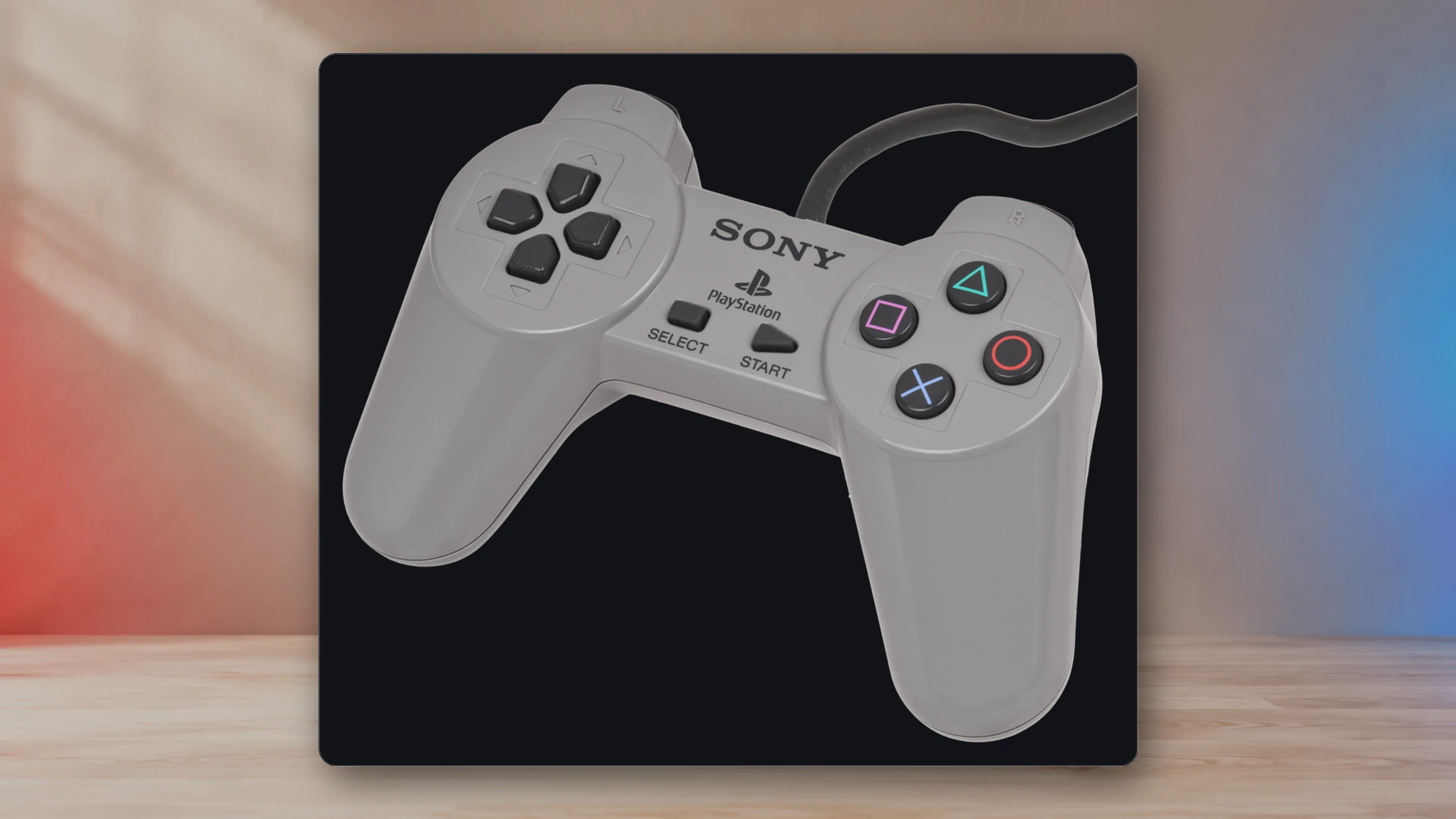
The PlayStation One library was full of personality: RPGs, stealth games, racers, horror experiments, arena fighters, wrestling, and oddball action games all shared the same console. This guide keeps that variety while adding context for players approaching these titles now.
One note before the list: “exclusive” is used here in the practical retro sense. These are games strongly tied to the PlayStation One library and its era, not a guarantee that every title remains locked to original PS1 hardware forever. Several titles have later ports, remasters, digital classic releases, or collection appearances. The value of the list is the PlayStation identity these games helped define.
Metal Gear Solid is now sold through Konami’s Master Collection on modern platforms, while Symphony of the Night is available on PS4 through Castlevania Requiem. Treat this list as a PS1-era guide, then check your current storefront before buying.
3Xtreme
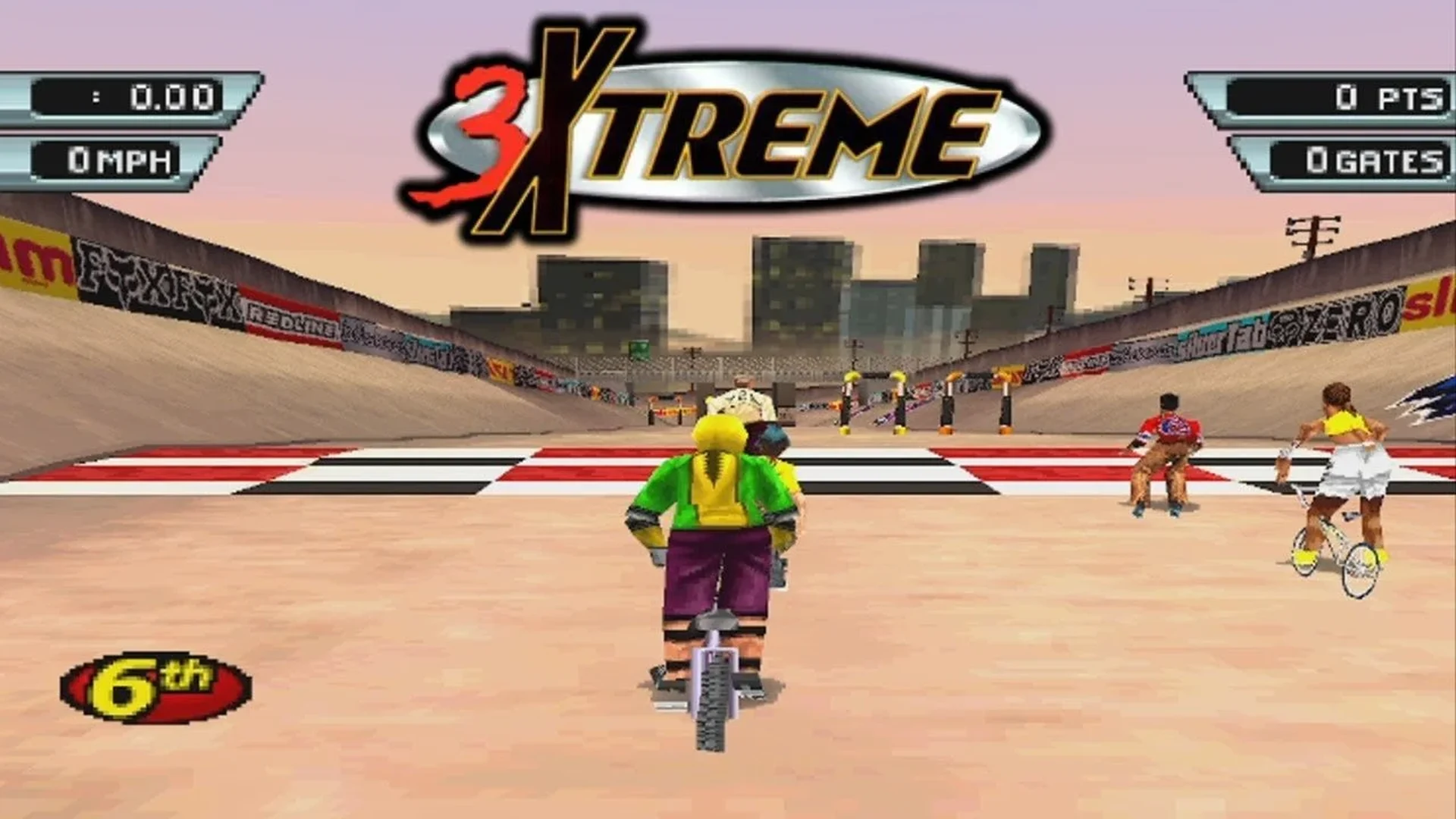
3Xtreme is pure late-90s PlayStation energy: loud courses, arcade-friendly pacing, and extreme-sports variety built around skating, biking, and inline racing. It lacks the polish of later sports games, but that rough edge is part of its charm. It feels like the PS1 trying to bottle the era’s obsession with speed, attitude, and couch competition.
The reason to revisit it now is not simulation accuracy. It is the rhythm: quick restarts, simple progression, and races that reward learning the course instead of studying a manual. If you want a time capsule of PlayStation’s early sports identity, 3Xtreme belongs in the stack.
Castlevania: Symphony of the Night
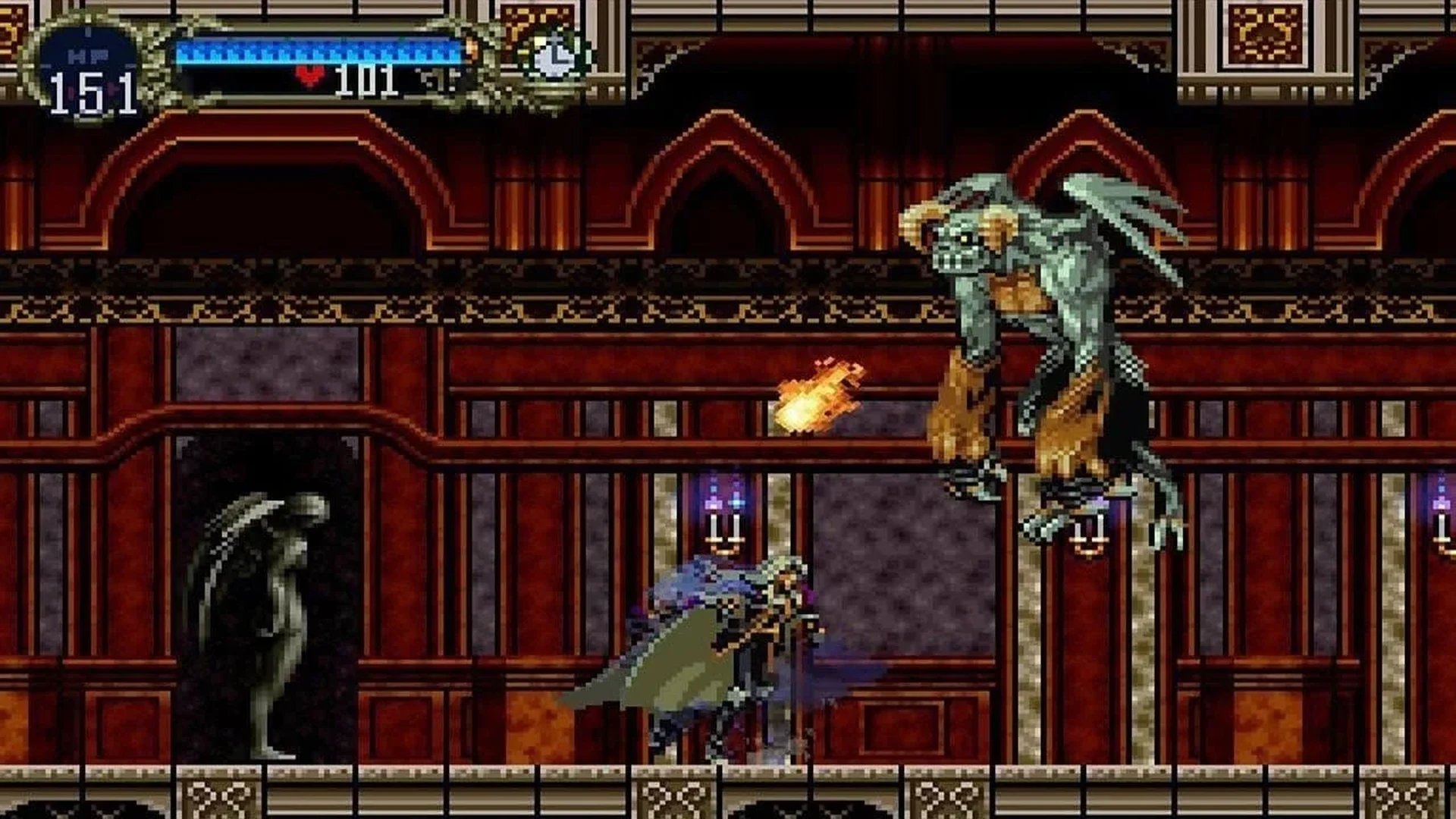
Symphony of the Night remains one of the defining action-RPGs of the PlayStation era. Alucard’s trip through Dracula’s castle still works because the castle carries the structure, the puzzle, the reward loop, and the atmosphere. Every new movement option makes earlier rooms feel different.
It also aged better than many 3D experiments from the same generation because its pixel art, soundtrack, and item-driven exploration were not chasing realism. The game helped lock in the Metroidvania vocabulary players still use today, and it remains one of the easiest PS1 recommendations to defend.
Chocobo's Dungeon 2
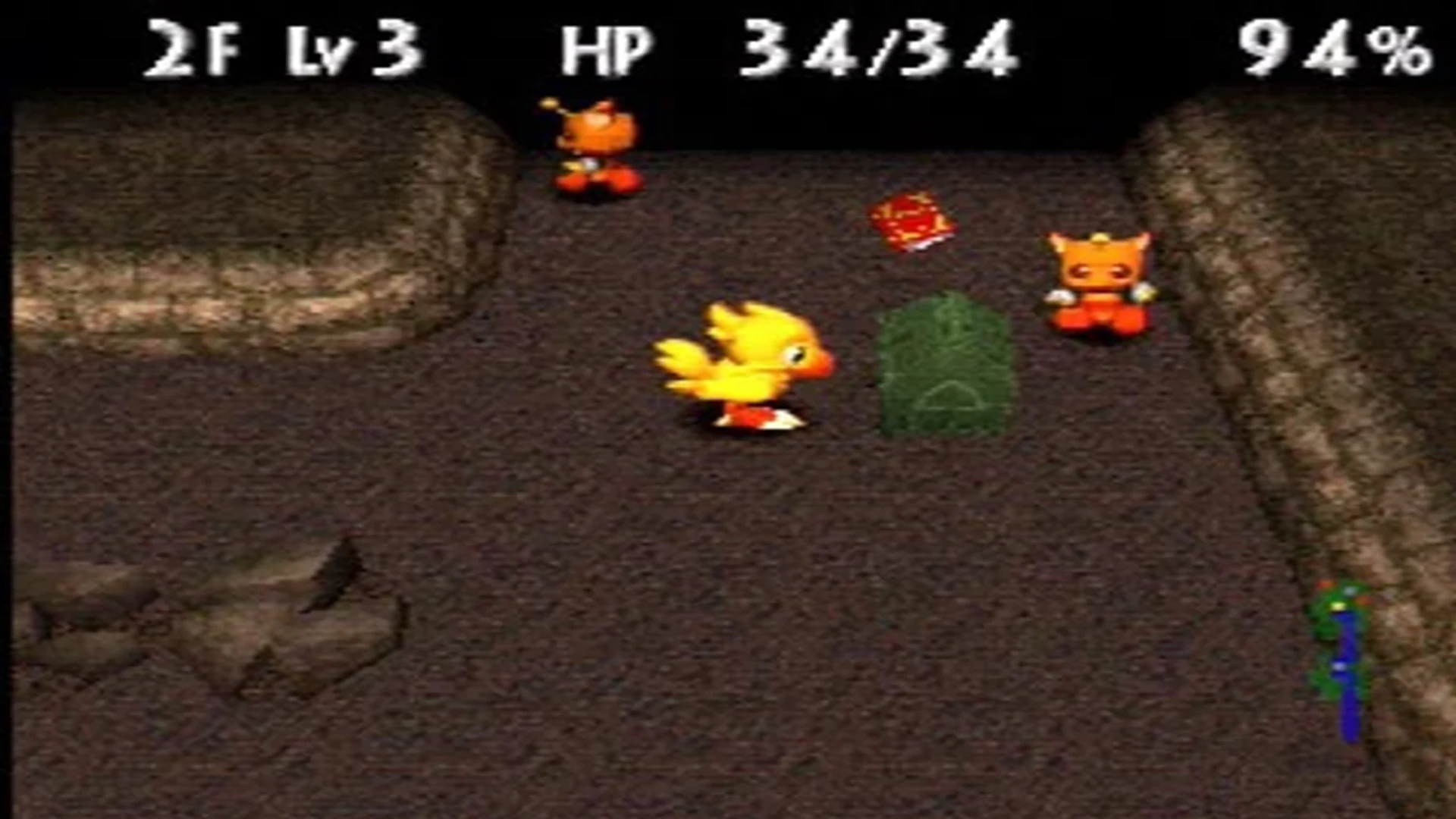
Chocobo's Dungeon 2 gives the PlayStation a softer kind of dungeon crawler: cute on the surface, surprisingly methodical underneath. It turns the Final Fantasy mascot into the center of a roguelike-style adventure built around floors, loot, traps, and careful item use.
The appeal is the contrast. It looks friendly, but it still asks players to manage risk, learn enemy behavior, and treat each run with a little caution. For players who like dungeon crawlers but want something warmer than grim fantasy, this is one of the PS1’s more interesting side paths.
Digimon World 3
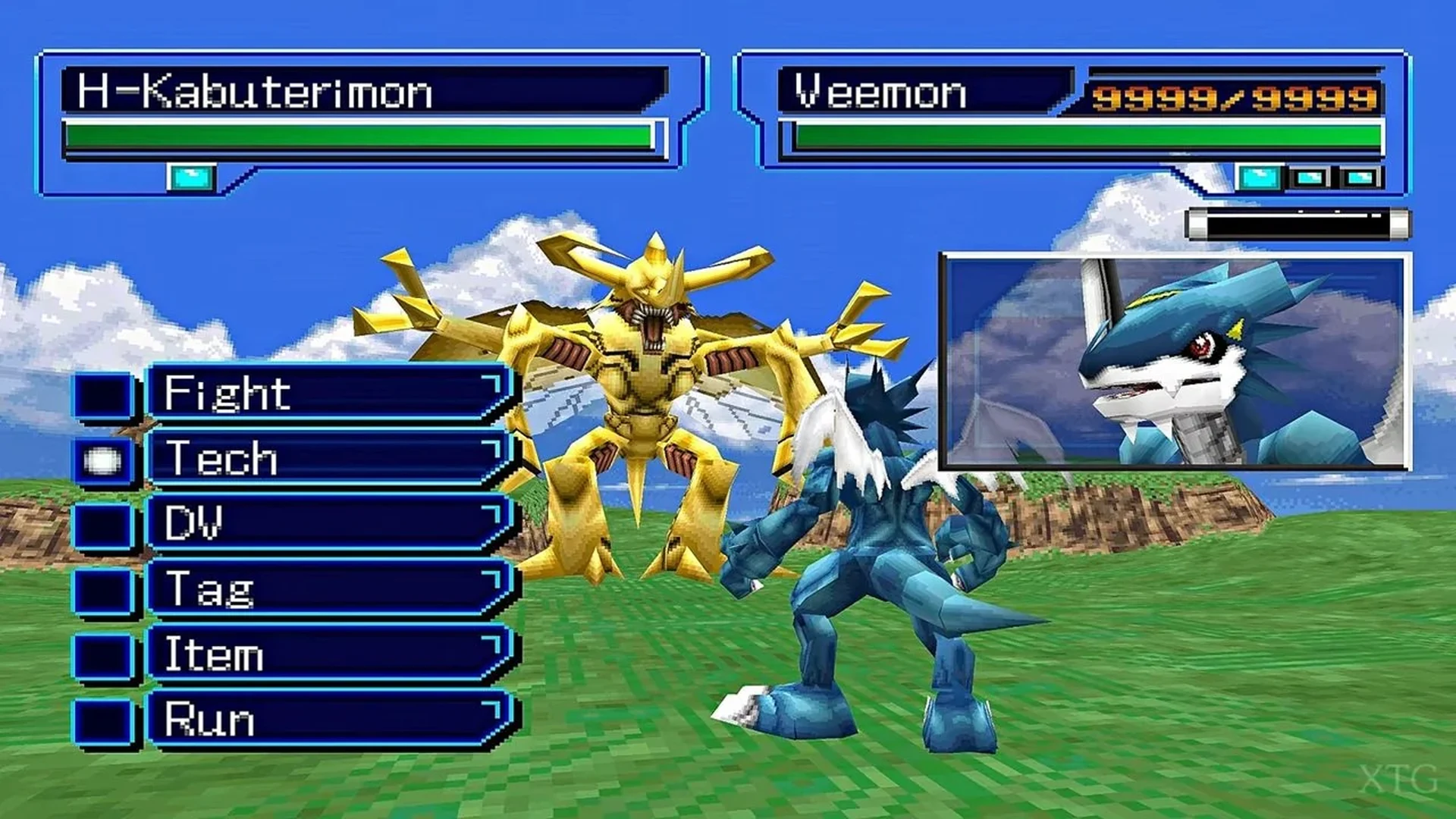
Digimon World 3 captures a specific kind of early-2000s RPG fantasy: logging into a huge digital game, raising partners, and slowly realizing the virtual world has become a trap. Its pacing can be uneven, but its structure gives fans exactly what they want from a Digimon RPG: teams, evolutions, training, and long-form progression.
It is best approached as a patient RPG rather than a quick nostalgia hit. The world rewards players who enjoy systems, party tuning, and creature growth. For Digimon fans, it remains one of the most complete PlayStation-era expressions of the series.
Duke Nukem: Time to Kill
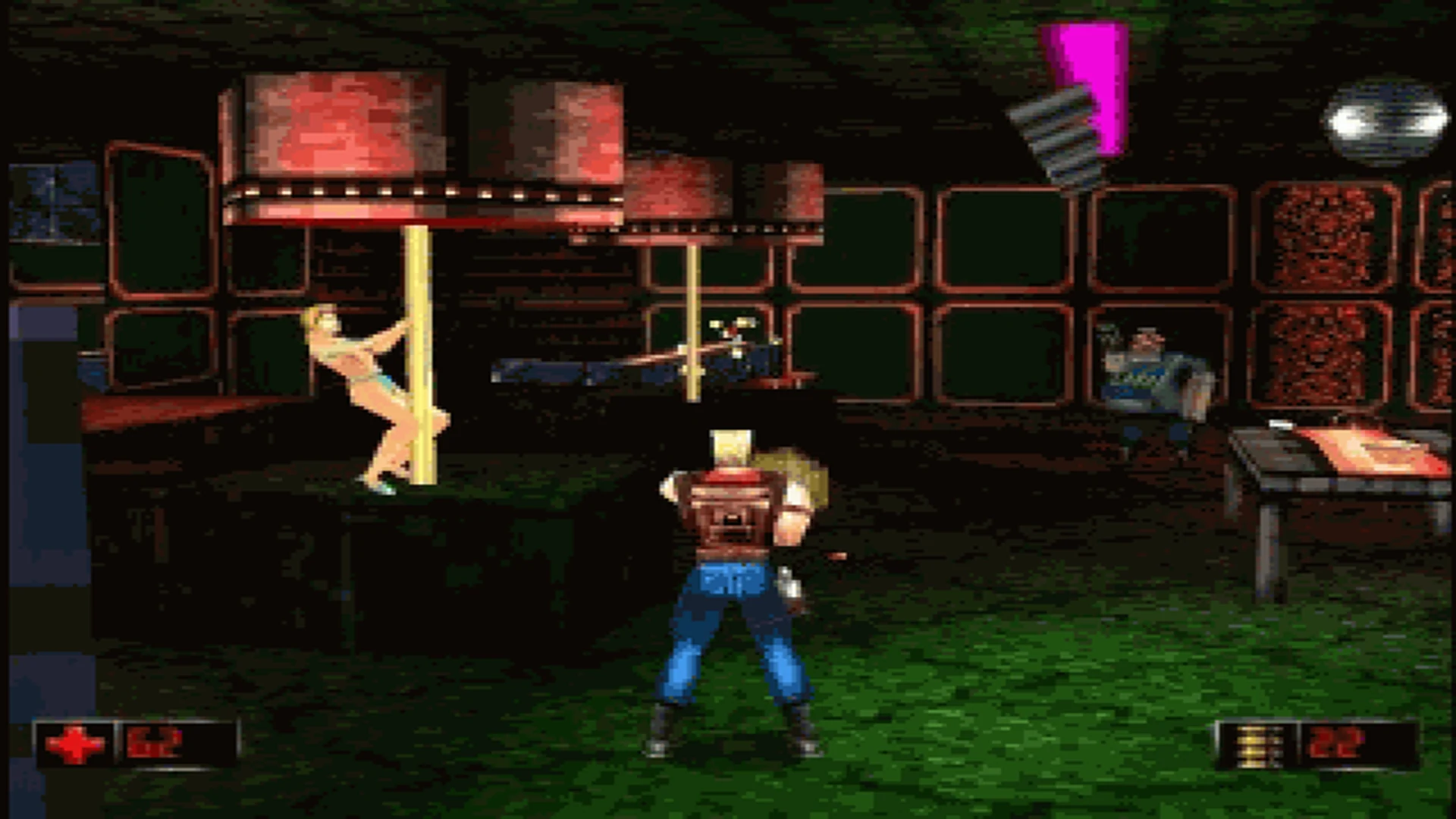
Duke Nukem: Time to Kill brings Duke into third-person action with a time-travel setup that sends him through ancient ruins, western streets, and futuristic battlegrounds. It is loud, crude, and very much a product of its era, but it also shows how developers were trying to reinterpret PC shooter attitude for console audiences.
The controls and humor will not land for everyone now. Still, as a PS1 action relic, it is worth seeing for its ambition. It tries to stretch the character beyond corridors and into bigger set pieces, even when the hardware fights back.
Ehrgeiz: God Bless the Ring
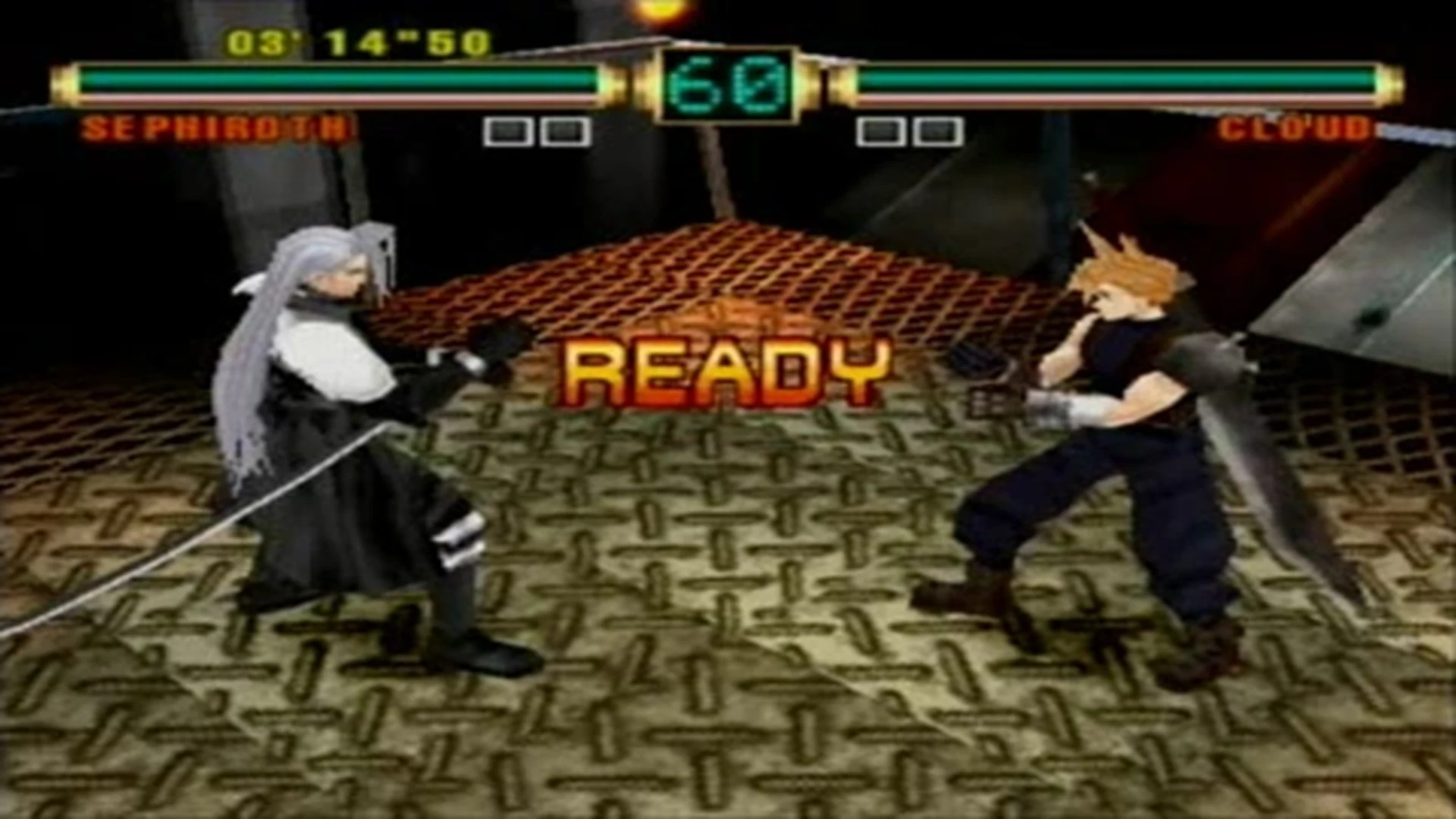
Ehrgeiz is remembered partly because of its Final Fantasy VII guest fighters, but there is more going on than novelty. It mixes arena combat, 3D movement, and a strange RPG-like dungeon mode into a package that never feels safe or ordinary.
That experimentation is the hook. Ehrgeiz is uneven, but it is also the kind of oddball fighting game that could only come from a period when publishers were still testing what 3D combat should be. If you like PlayStation curiosities, it earns a place on the list.
Gran Turismo 2
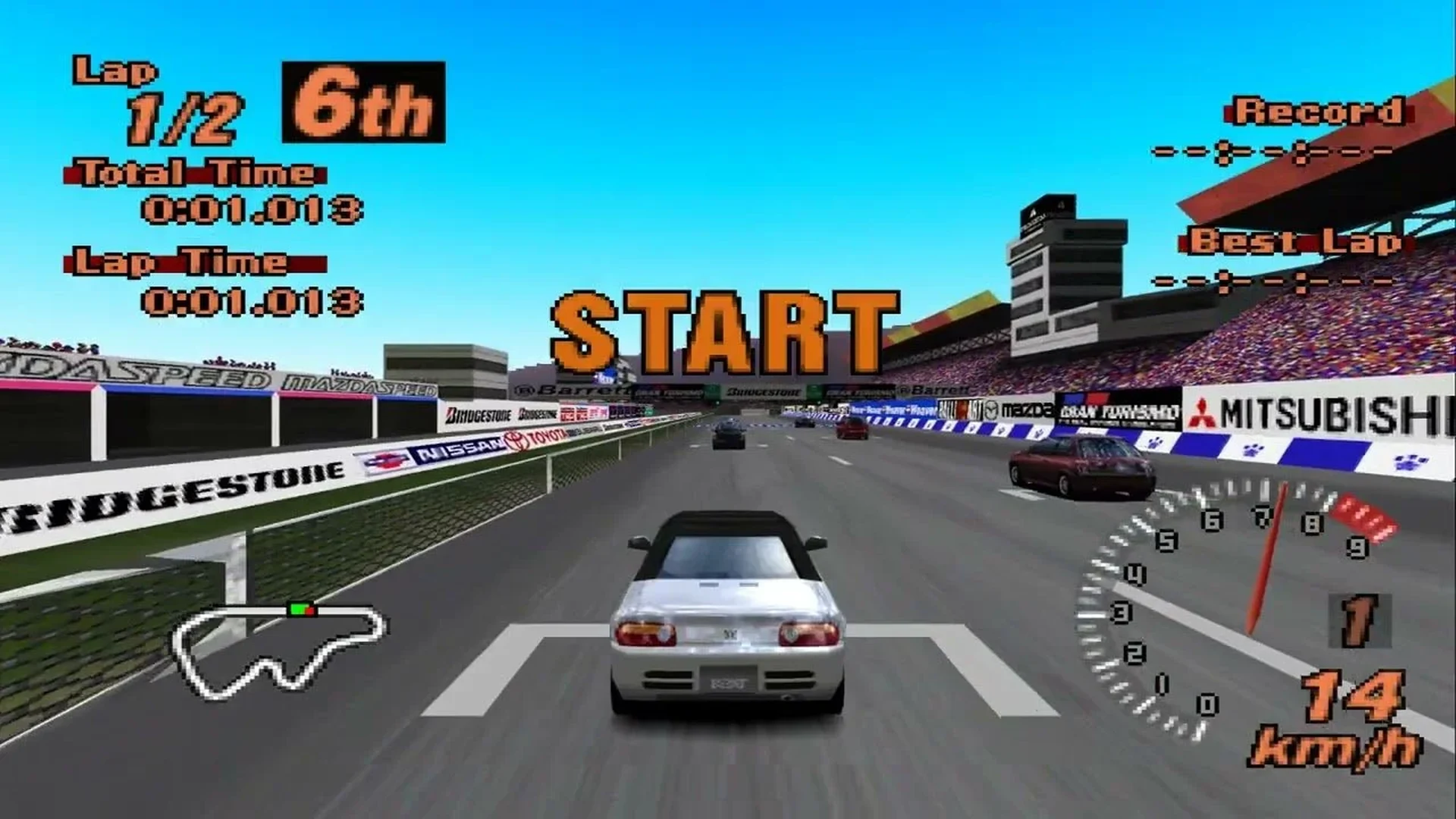
Gran Turismo 2 is one of the strongest examples of the PS1 turning a niche interest into a mainstream obsession. It gave players a huge garage, licensing tests, real-world tracks, tuning, and a sense that car culture could become a full progression system rather than a simple arcade loop.
It is slower and more technical than many racers on this list, but that is the point. Gran Turismo 2 made patience feel rewarding. Learning braking lines, saving for the right upgrade, and building a car over time gave the PlayStation library one of its signature long-haul games.
King's Field
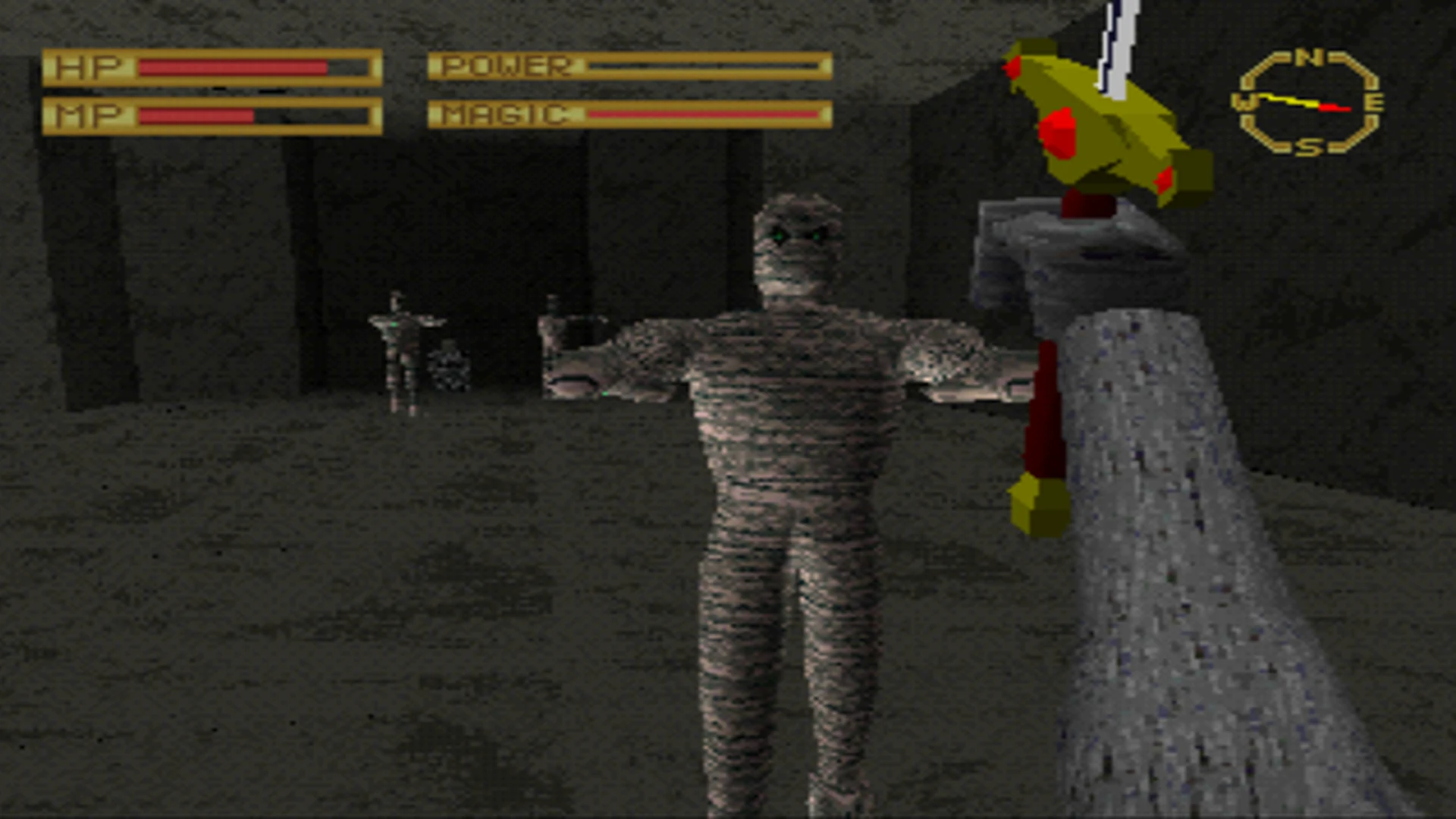
King's Field is clunky, severe, and slow by modern standards, but it has a mood that still cuts through. Its first-person dungeons feel lonely and dangerous, and its combat asks for spacing and caution long before FromSoftware became widely associated with that kind of tension.
Players coming from modern FromSoftware games may find it fascinating because the DNA is visible: oppressive spaces, scarce comfort, weird fantasy, and danger around ordinary corners. It is not the easiest PS1 game to recommend, but it is one of the most important for understanding where a certain design lineage began.
Legacy of Kain: Soul Reaver
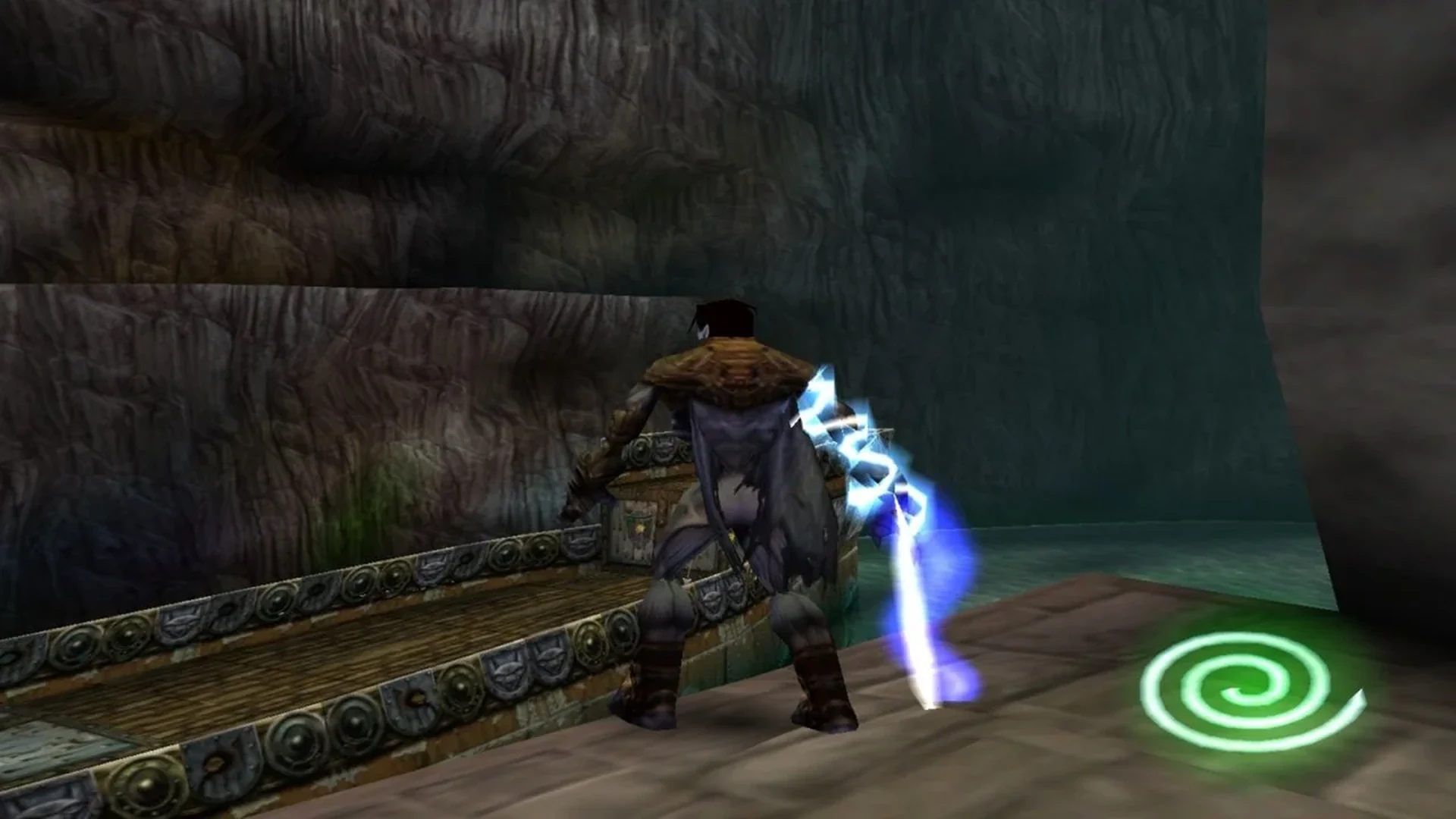
Soul Reaver is one of the PS1’s great gothic action-adventures. Raziel’s shift between material and spectral realms gives the game a strong identity, while the voice work and worldbuilding give Nosgoth a sense of history that most action games of the era could not match.
The puzzle design and combat show their age, but the atmosphere still works. Few PS1 games feel this committed to tone. Soul Reaver is worth playing for its world as much as its mechanics.
Legend of Legaia
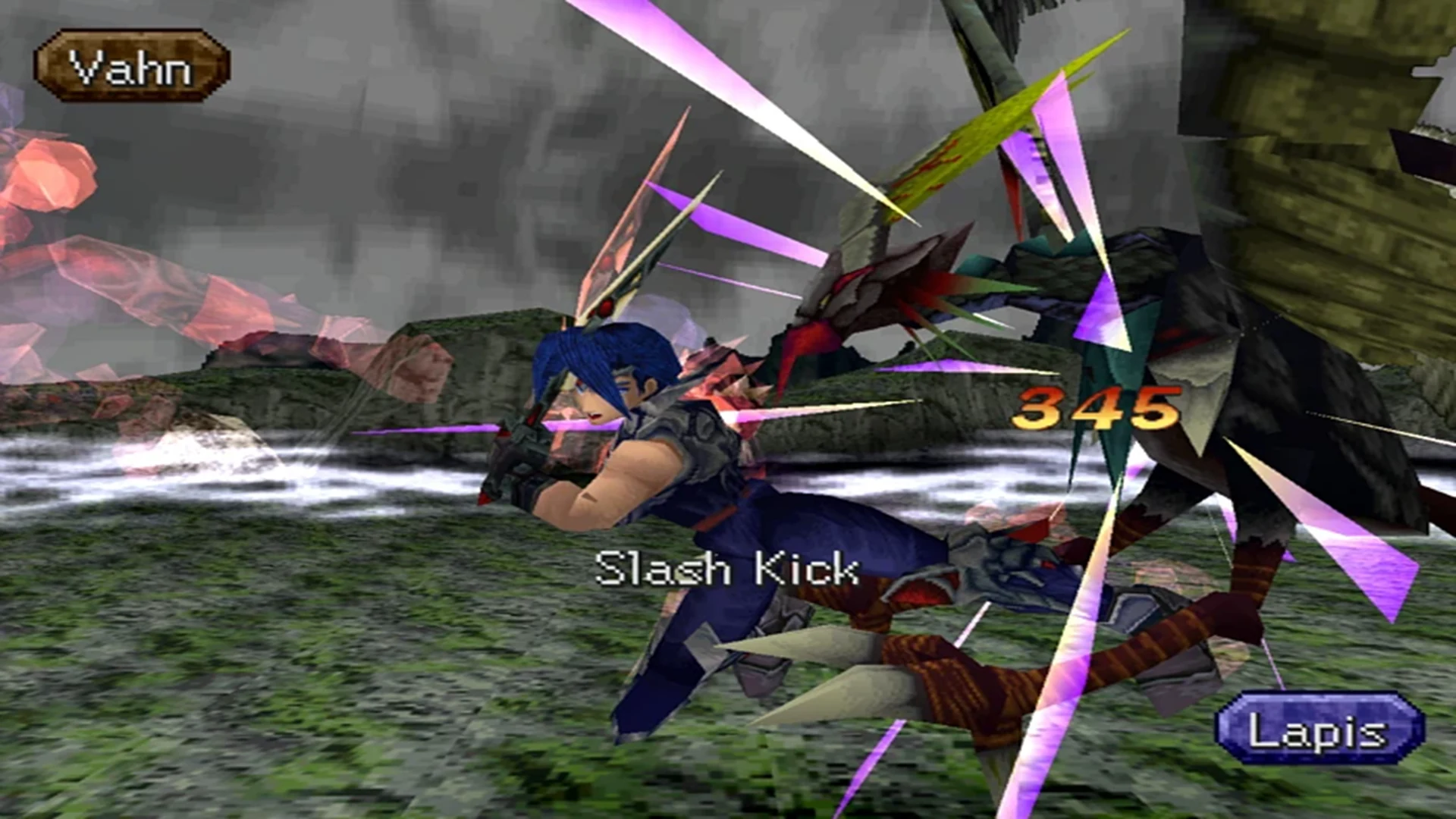
Legend of Legaia stands out because its combat feels physical. The Tactical Arts System lets players chain directional inputs into martial-arts-style attacks, turning turn-based battles into something closer to building a combo by hand.
Outside combat, the game leans into classic RPG structure: towns, dungeons, strange creatures, and a world threatened by an encroaching mist. It is not as famous as the biggest Square RPGs of the era, but its battle system gives it an identity that still feels distinct.
Metal Gear Solid
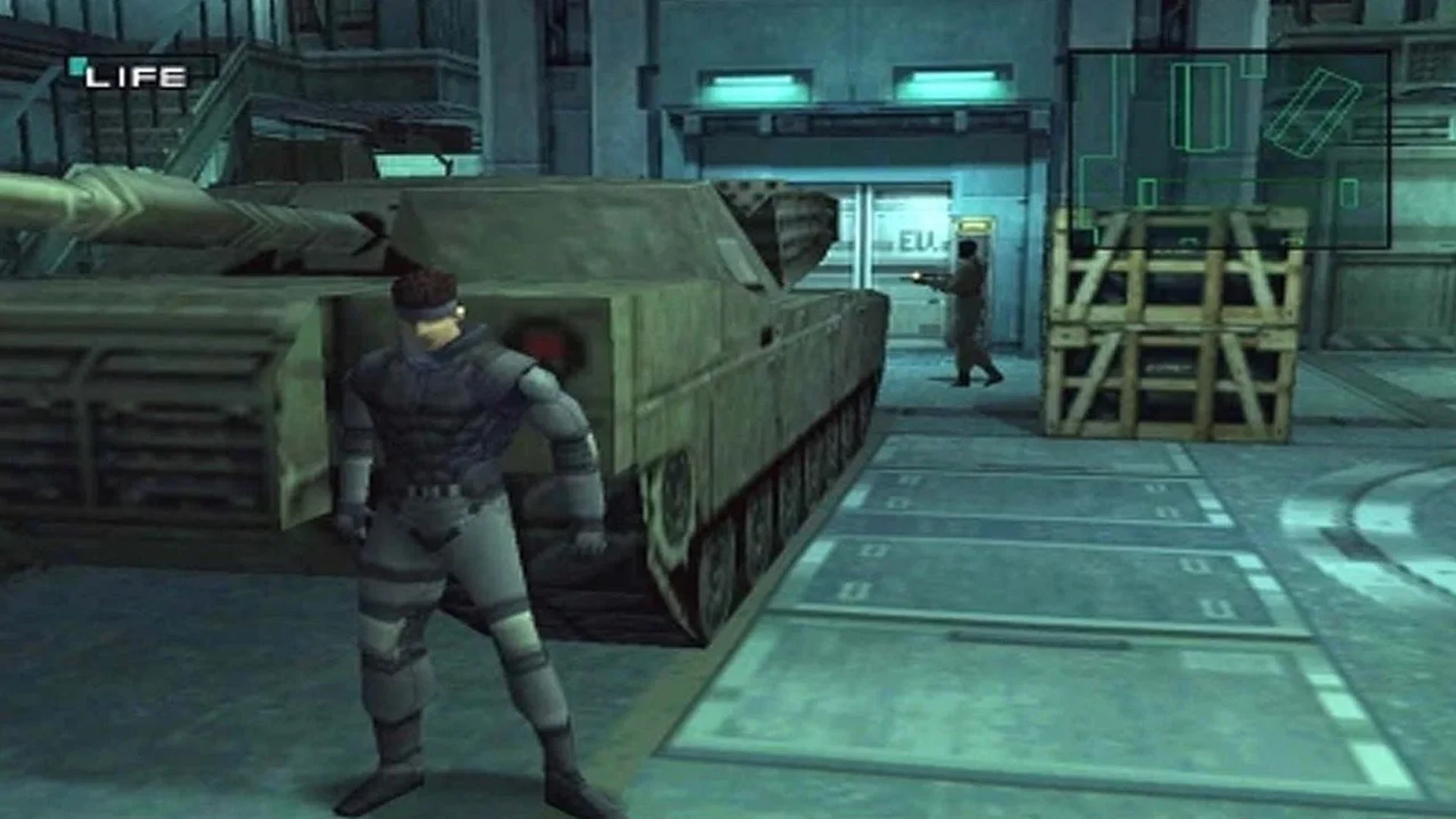
Metal Gear Solid changed what many console players expected from stealth, presentation, and story delivery. Shadow Moses is compact but dense, built around patrols, surveillance, codec calls, boss encounters, and a constant feeling that every room has rules to learn.
Some of its cinematic choices now feel very late-90s, but the design remains sharp. It is still a smart play because its best ideas are not only historical. Sneaking, improvising, listening, and reading the environment still create tension without needing modern scale.
Parasite Eve I & II
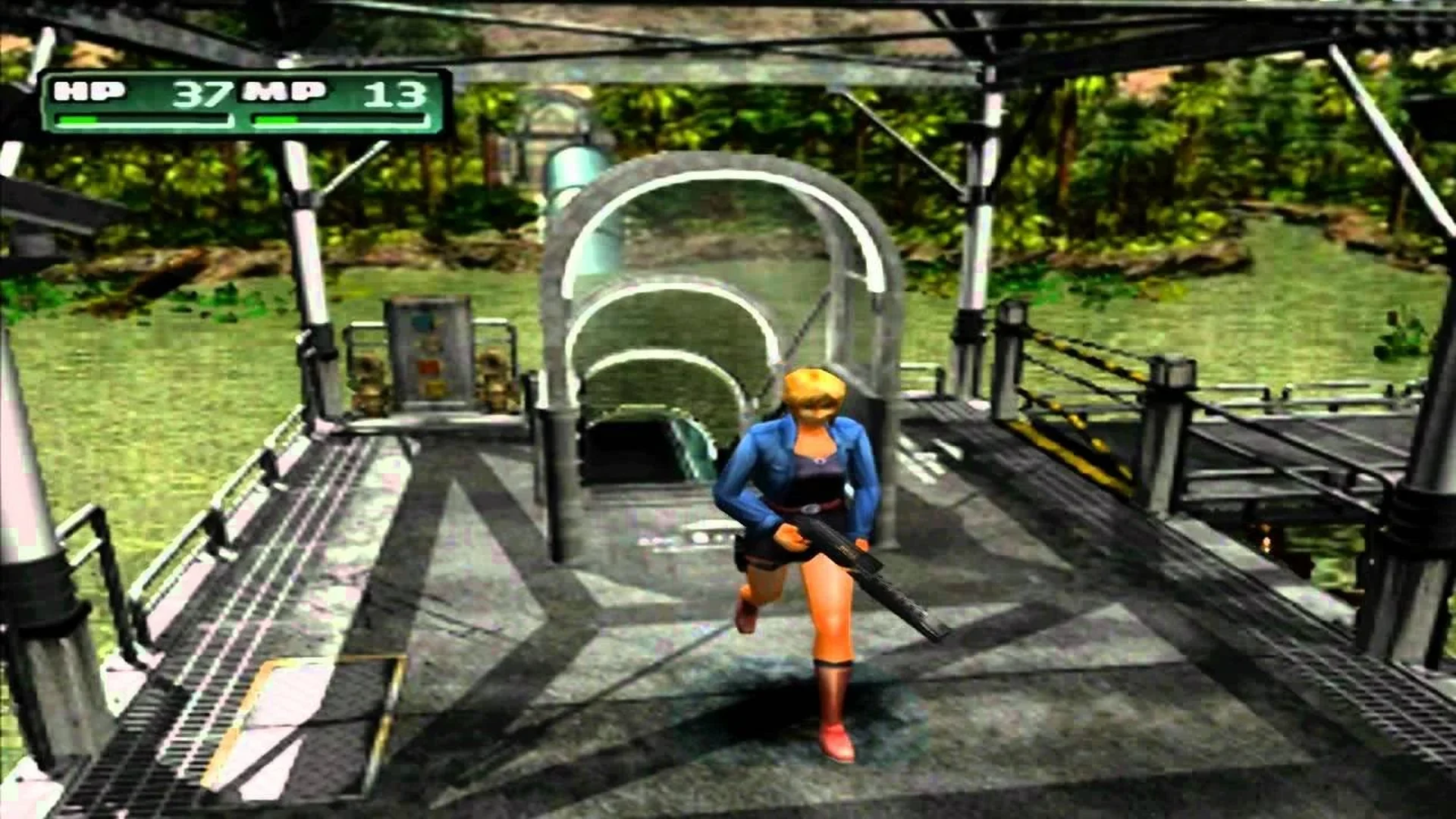
Parasite Eve and Parasite Eve II gave the PlayStation a rare blend of horror, RPG progression, and urban science-fiction. Aya Brea’s story trades castles and fantasy kingdoms for New York streets, biological terror, and weapon upgrades that make survival feel tactical.
The two games do not play exactly the same, which is part of the appeal. The first leans harder into RPG systems, while the sequel moves closer to survival horror. Together, they show Square experimenting outside its safest lanes.
SaGa Frontier 2
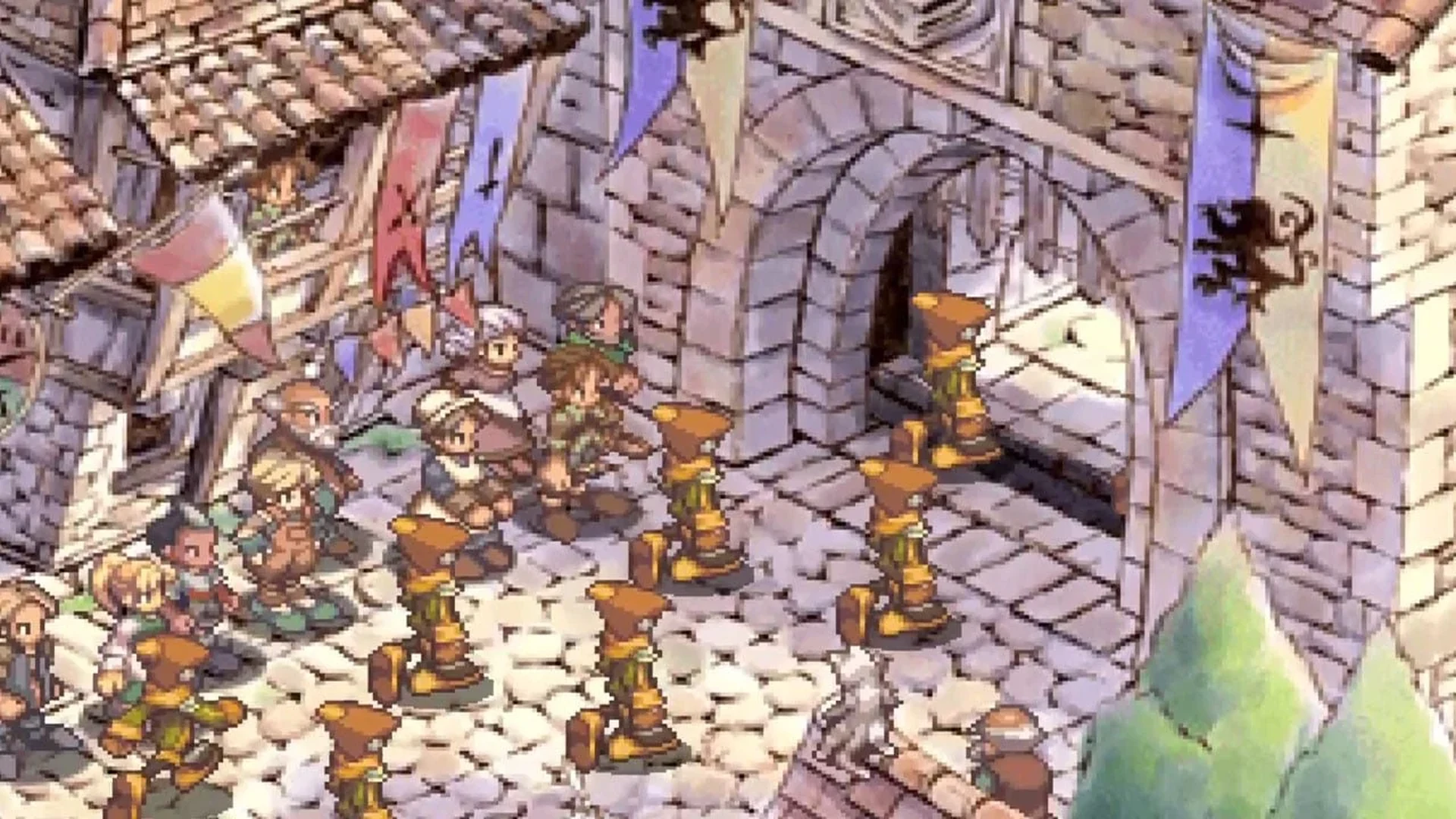
SaGa Frontier 2 is one of the prettiest RPGs on the console, with painterly backgrounds and a generational story structure that feels different from the usual single-party quest. It can be opaque, especially for players used to more direct RPG progression, but its ambition is obvious.
This is a good pick for players who want the PS1 library beyond the obvious names. It is not designed to explain itself at every turn. It asks players to meet it on its own terms, and that makes its world feel more unusual.
Tenchu: Stealth Assassins
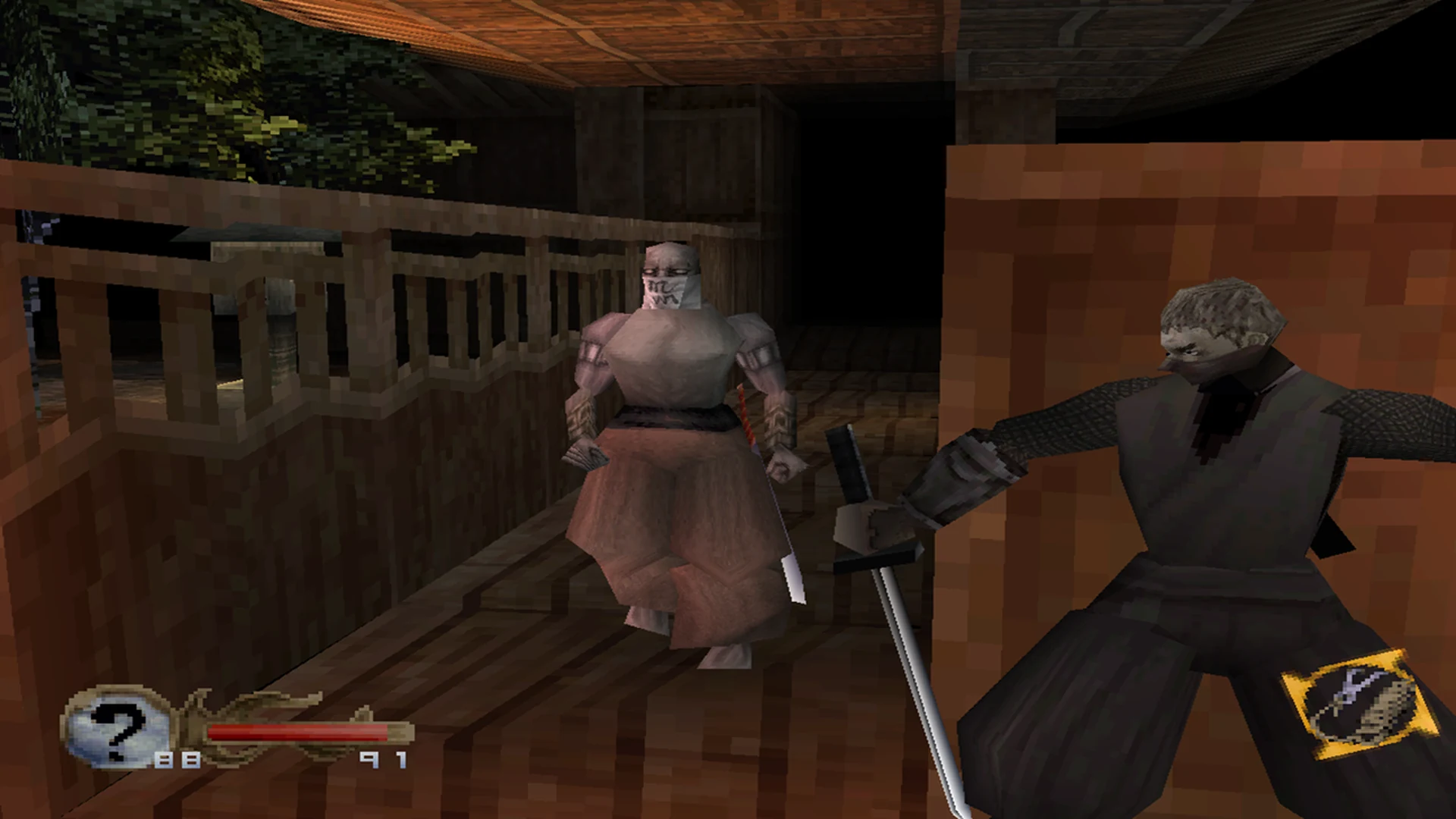
Tenchu: Stealth Assassins gave the PS1 one of its signature stealth fantasies: rooftop movement, shadowy courtyards, patrol routes, and quick kills from behind. The controls are dated, but the central fantasy still works because the missions reward observation over noise.
It is easy to see how much character the game had for its time. The feudal-Japan setting, grappling hook, and deliberate pacing separated it from louder action games. Even when it fights the player, Tenchu still feels like a valuable PS1 original.
Twisted Metal III
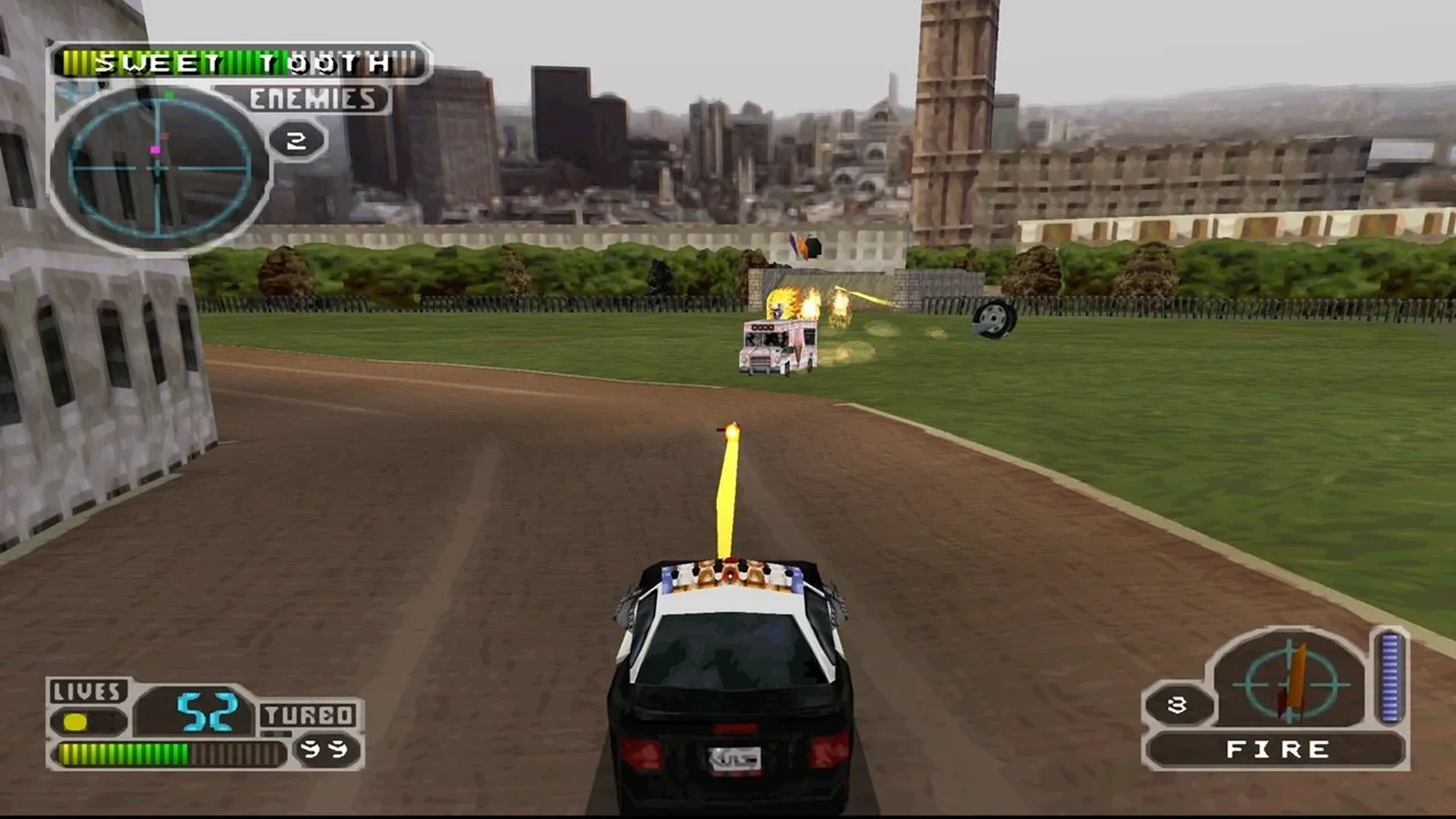
Twisted Metal III is chaotic vehicular combat with sharp turns, loud weapons, and destructive arenas. It is not usually the most celebrated entry in the series, but it represents the kind of multiplayer-friendly aggression that helped define the PlayStation’s living-room identity.
Its value now is immediate. Pick a driver, learn the weapon pickups, and try to survive the arena. The series always worked best when it felt messy in a controlled way, and Twisted Metal III still has that rough competitive spark.
Vagrant Story
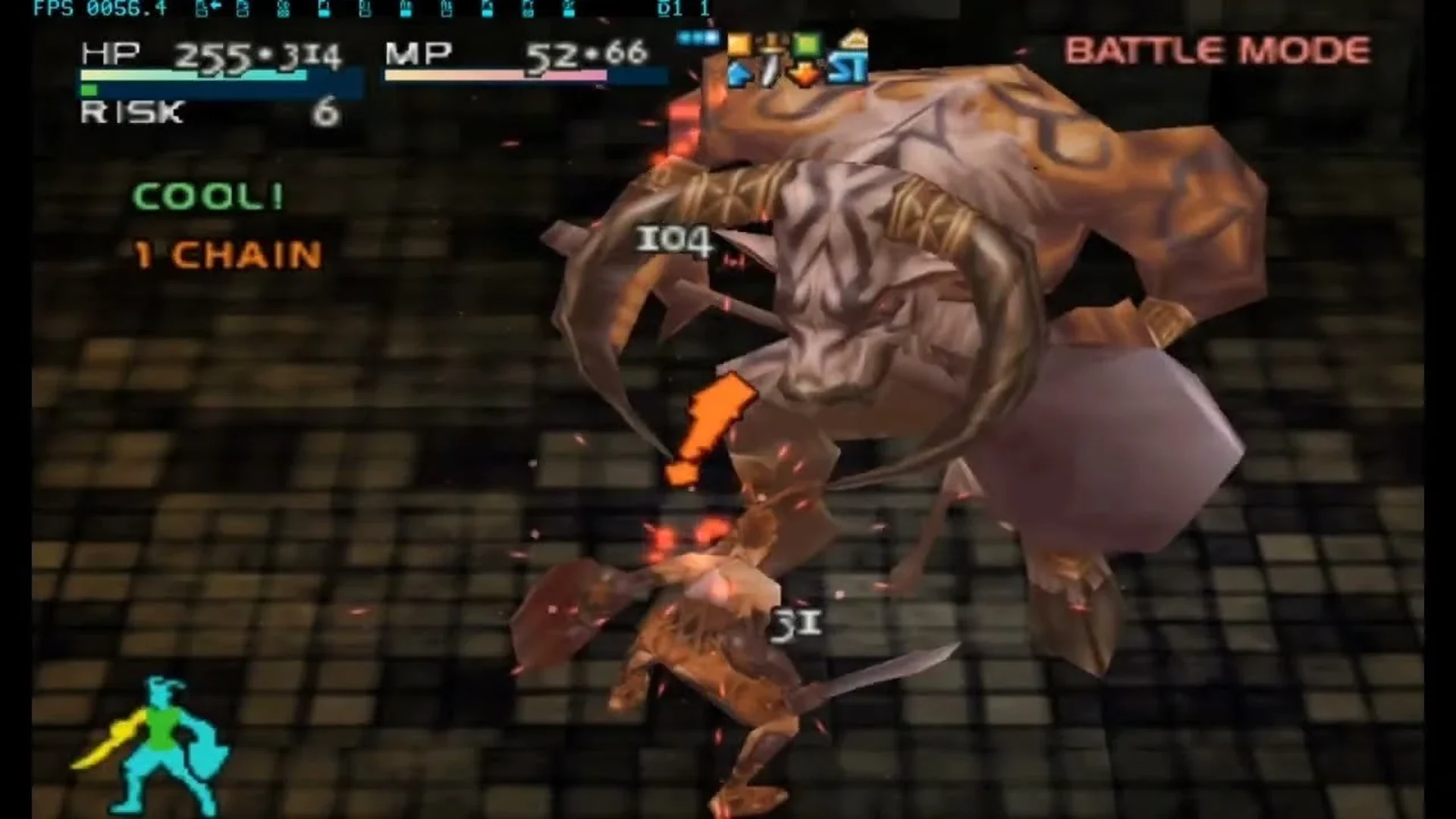
Vagrant Story is one of the PS1’s most sophisticated action-RPGs. It follows Ashley Riot through Lea Monde with a combat system built around body targeting, weapon affinity, risk management, and careful preparation rather than simple button mashing.
It can be demanding, but that demand gives it weight. The presentation is unusually confident for the hardware, with cinematic framing and a dark political story that does not talk down to the player. Vagrant Story remains a prime pick for anyone who wants the PS1 at its most deliberate.
Wipeout 3
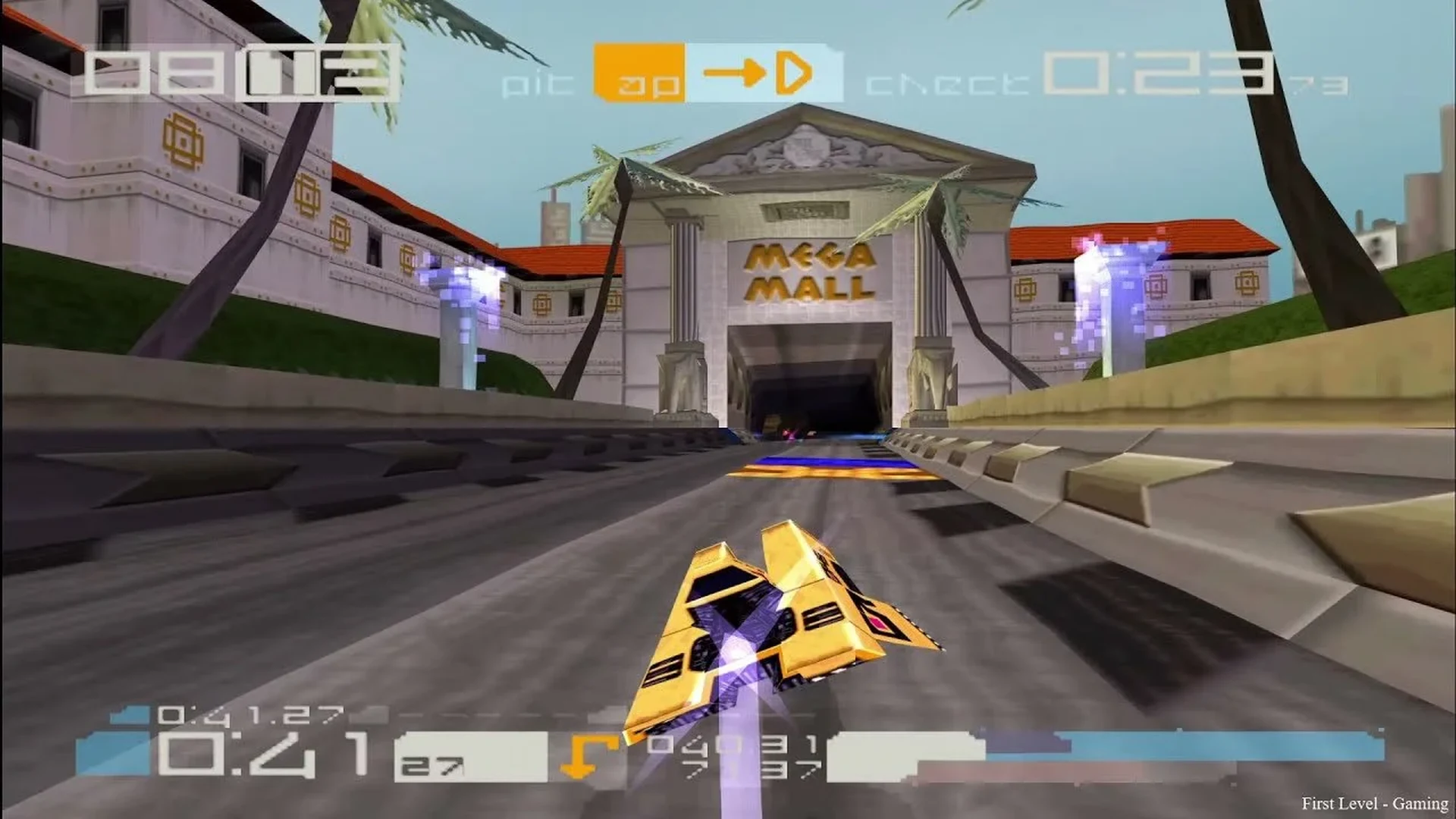
Wipeout 3 is fast, stylish, and icy in a way few racing games manage. The appeal is not only speed; it is the combination of anti-gravity handling, electronic music, weapon pressure, and tracks that punish lazy steering.
The game still feels cool without begging for it. Its restraint is part of its identity. If Gran Turismo 2 is the PS1’s car-culture monument, Wipeout 3 is its club-lit future racer.
WWF SmackDown!
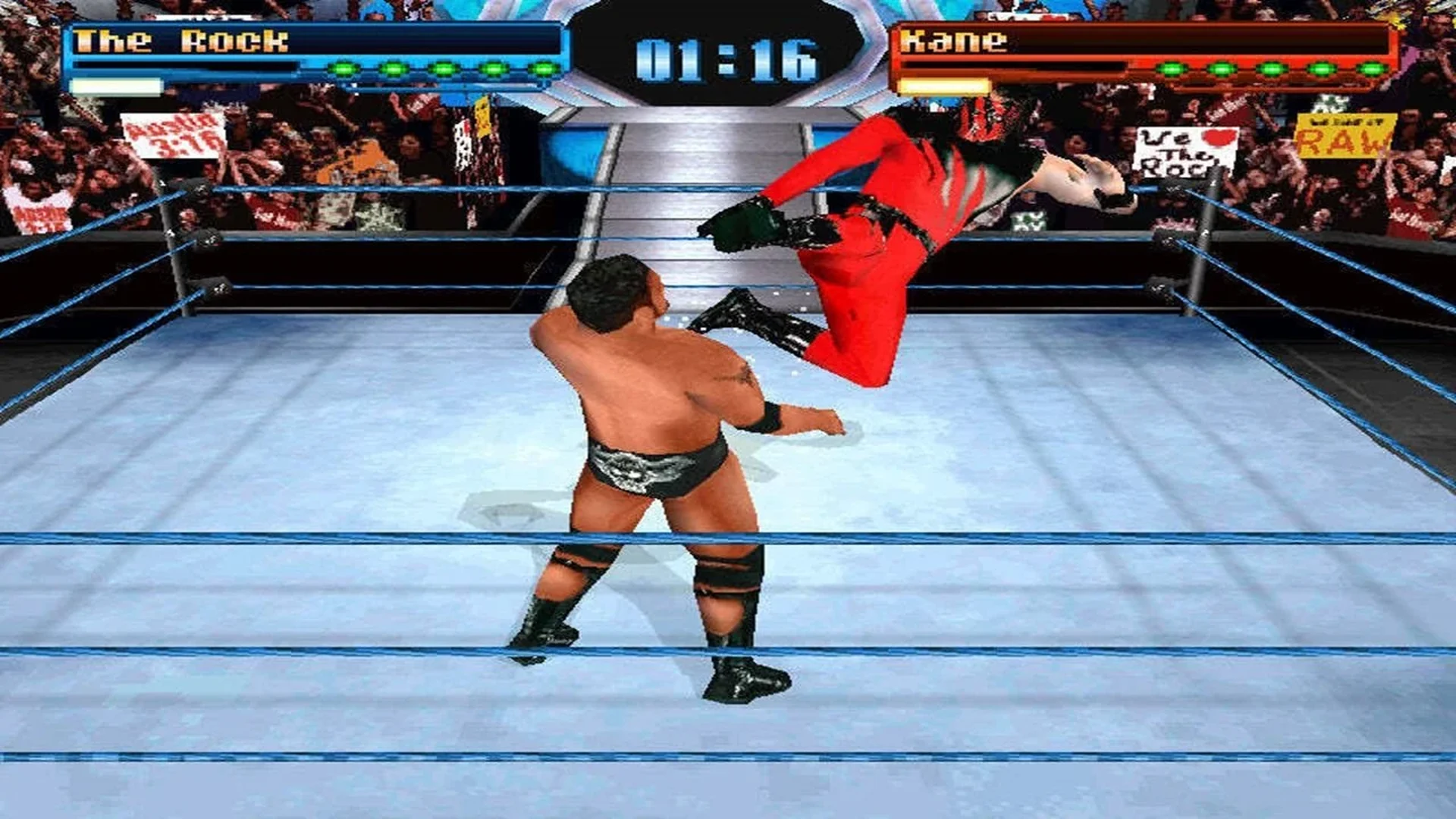
WWF SmackDown! helped define wrestling games for a generation of PlayStation owners. It is faster and more arcade-like than many simulation-heavy wrestling titles, which makes matches easy to start and chaotic enough for friends to keep playing.
The roster and presentation are era-specific, but that is exactly why it works as a nostalgia pick. It captures a period when wrestling, couch multiplayer, and PlayStation memory cards were part of the same weekend ritual.
Xenogears
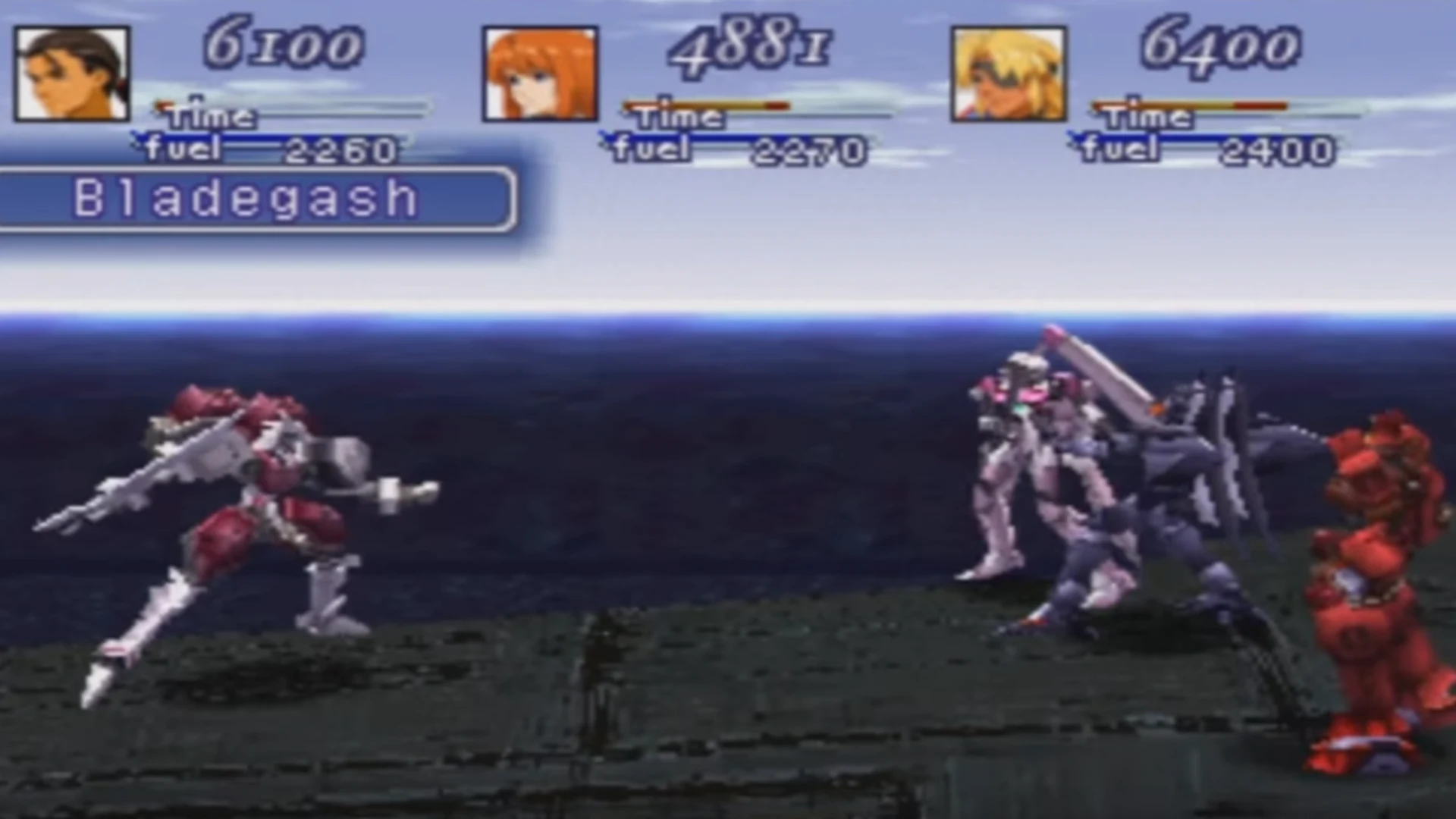
Xenogears remains one of the PS1’s most ambitious RPGs: giant robots, layered religious symbolism, psychological trauma, martial arts, and a story that tries to operate on a huge scale. It is messy in places, but its reach is part of its legend.
For players who can tolerate pacing issues and a famously compressed second disc, Xenogears offers something rare: a game that feels like it is pushing against the limits of its format. It is still one of the defining reasons RPG fans talk about the PlayStation One with reverence.
Sources
NexusArc Staff
NexusArc Staff publishes desk-written reporting, guides, updates, and service information prepared by the NexusArc editorial team.