

Tekken 8 Review in 2026: A Brilliant Fighter With a Steep Learning Curve
A current buyer-focused assessment of Tekken 8’s combat, modes, online experience, presentation, accessibility, and long-term value without an unsupported score.
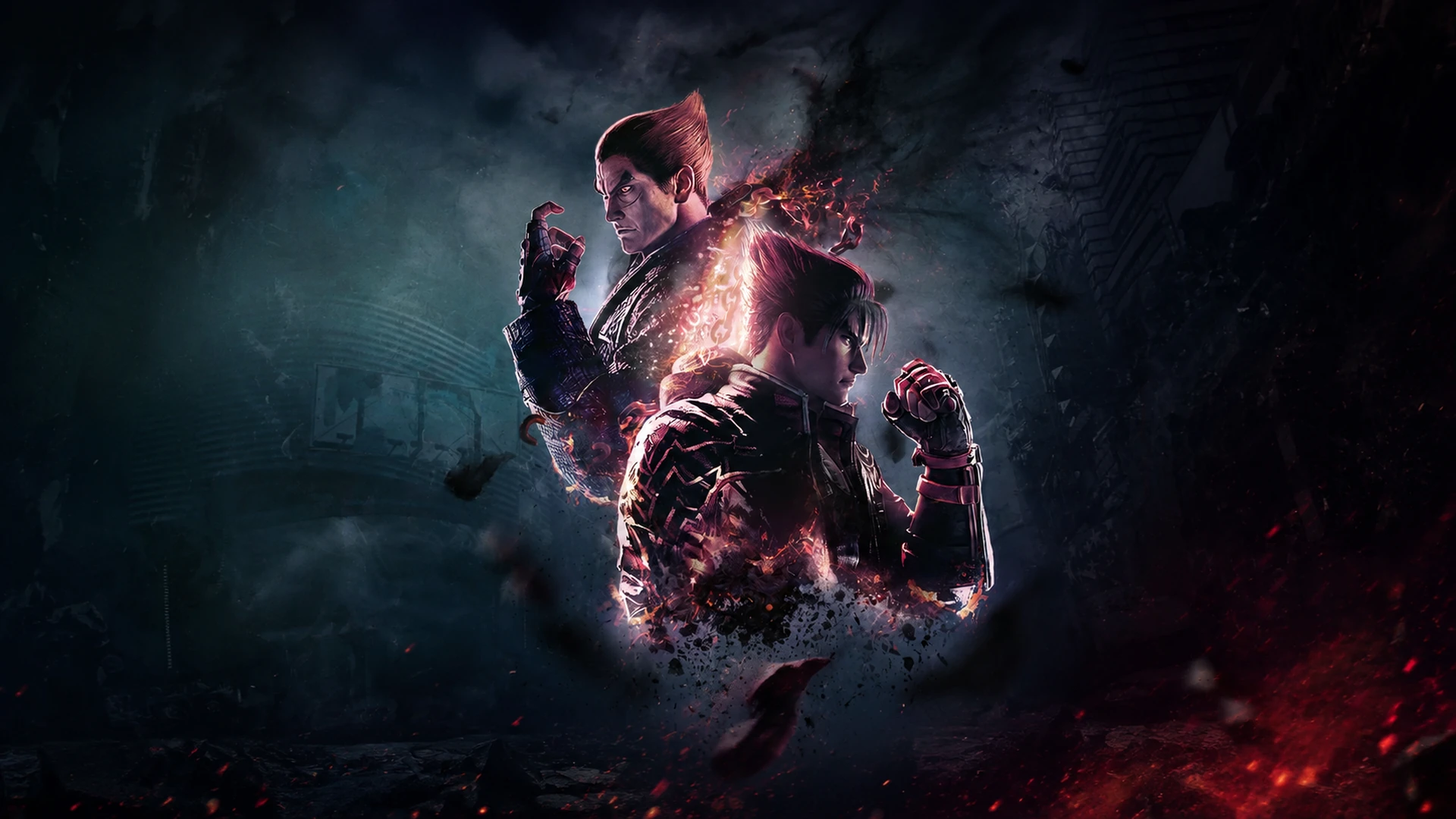
Tekken 8 is still one of the most expressive modern fighting games, but it asks new players to accept a difficult learning process and a very aggressive pace.
How this review was assessed
This is a current buyer-focused reassessment rather than a claim of a new controlled hands-on test. NexusArc reviewed the game’s official feature set, post-launch support, public release state, and the practical questions a player faces when deciding whether to start Tekken 8 in 2026. The page therefore avoids an artificial score and concentrates on fit, tradeoffs, and the experience the game is built to deliver.
The combat remains Tekken 8’s strongest argument
Tekken has always separated itself through three-dimensional movement, long move lists, matchup knowledge, and a punishment system that rewards players who understand both spacing and timing. Tekken 8 keeps that foundation, then pushes the pace forward with the Heat system. Heat gives every character a temporary offensive state with character-specific advantages, stronger pressure, and access to Heat Smash or Heat Dash options.
The result is a game that rarely feels passive. Rounds can turn quickly, and even a defensive player needs a plan for taking momentum back. That intensity is exciting when both players understand the exchange. It can also be overwhelming for a beginner who is still learning which attacks are safe, when to sidestep, how to break throws, and which strings contain a gap.
Movement and character identity create long-term depth
The roster is not simply a collection of cosmetic choices. Characters differ in movement, range, stance complexity, counter-hit tools, pressure patterns, and how directly they convert a mistake into damage. A player who enjoys deliberate poking may approach the game differently from someone who prefers stance pressure, throws, evasive movement, or explosive launchers.
This gives Tekken 8 excellent long-term value for players who enjoy mastery. The downside is that switching characters can feel like learning a new dialect. The training tools help, but no tutorial can remove the need to recognize common strings and understand why a move worked against you.
Single-player content is useful, but not the main reason to buy
The cinematic story mode delivers spectacle and introduces the central conflict, while Arcade Quest provides a friendlier route into the game’s systems. Character episodes, practice features, and ghost-style learning tools give solo players more to do than a bare tournament ladder.
Even so, Tekken 8 is fundamentally strongest as a competitive fighting game. Players who want a long narrative campaign or a large offline adventure should treat those modes as support material. The real longevity comes from learning a character, playing other people, and understanding why each loss happened.
Online play and the learning curve
Online matchmaking is where Tekken 8 becomes either compelling or exhausting. Good matches reveal the game’s rhythm: small pokes, movement checks, whiff punishment, calculated risk, and sudden offense. Poor connections or a wide skill gap can make the same systems feel chaotic.
New players should expect early losses and should not use rank alone as the measure of progress. A better progression plan is to learn one reliable punish, one low-risk mid, one fast interrupt, a throw break habit, and a short wall combo. That smaller toolkit makes the game readable before the full move list becomes relevant.
Presentation and performance priorities
Tekken 8 uses dramatic camera work, impact effects, and highly detailed character models to make attacks feel heavy. The visual density can occasionally make it harder to read what happened, especially during Heat sequences, but the presentation supports the game’s identity rather than feeling detached from it.
For competitive play, a stable frame rate and a low-latency display matter more than maximum image settings. PC buyers should check current system requirements and community performance reports for their exact hardware. Console buyers get a simpler target, but should still use a display mode with low input latency.
Accessibility and onboarding
Special Style gives less experienced players a simplified control option, and the practice suite can demonstrate punish opportunities and combo routes. Those tools reduce the first barrier, but they do not eliminate matchup knowledge. Tekken’s accessibility is strongest when the player is willing to learn in layers instead of trying to memorize everything at once.
Players sensitive to intense flashes, rapid camera changes, or dense particle effects should review the available display and accessibility options before committing to long sessions.
Who should play Tekken 8?
Tekken 8 is an excellent fit for players who want a fighting game they can study for months, enjoy expressive character specialists, and do not mind losing while they learn. It is also a strong choice for friends who want a visually spectacular local fighter with enough depth to keep rematches interesting.
It is a weaker fit for someone who wants a relaxed button-masher, a long offline campaign, or a competitive game that explains every interaction immediately. The systems are readable with effort, but the game does not become simple just because it offers beginner tools.
The NexusArc verdict
Tekken 8 remains easy to recommend to committed fighting-game players. Its movement, character identity, and aggressive systems create memorable matches, and continued support gives the game room to evolve. The recommendation comes with one clear warning: the learning curve is part of the product. Buy it because that process sounds satisfying, not because the presentation makes mastery look effortless.
Sources
- Tekken 8 official game pageBandai Namco
- Tekken 8 Bob and 2026 update announcementBandai Namco
NexusArc Staff
NexusArc Staff publishes desk-written reporting, guides, updates, and service information prepared by the NexusArc editorial team.