

Steam Store Down Minutes After Hollow Knight: Silksong Launch
Steam’s storefront began failing for many users shortly after Hollow Knight: Silksong launched, with store pages returning “Something Went Wrong” messages and E502 L3 errors.
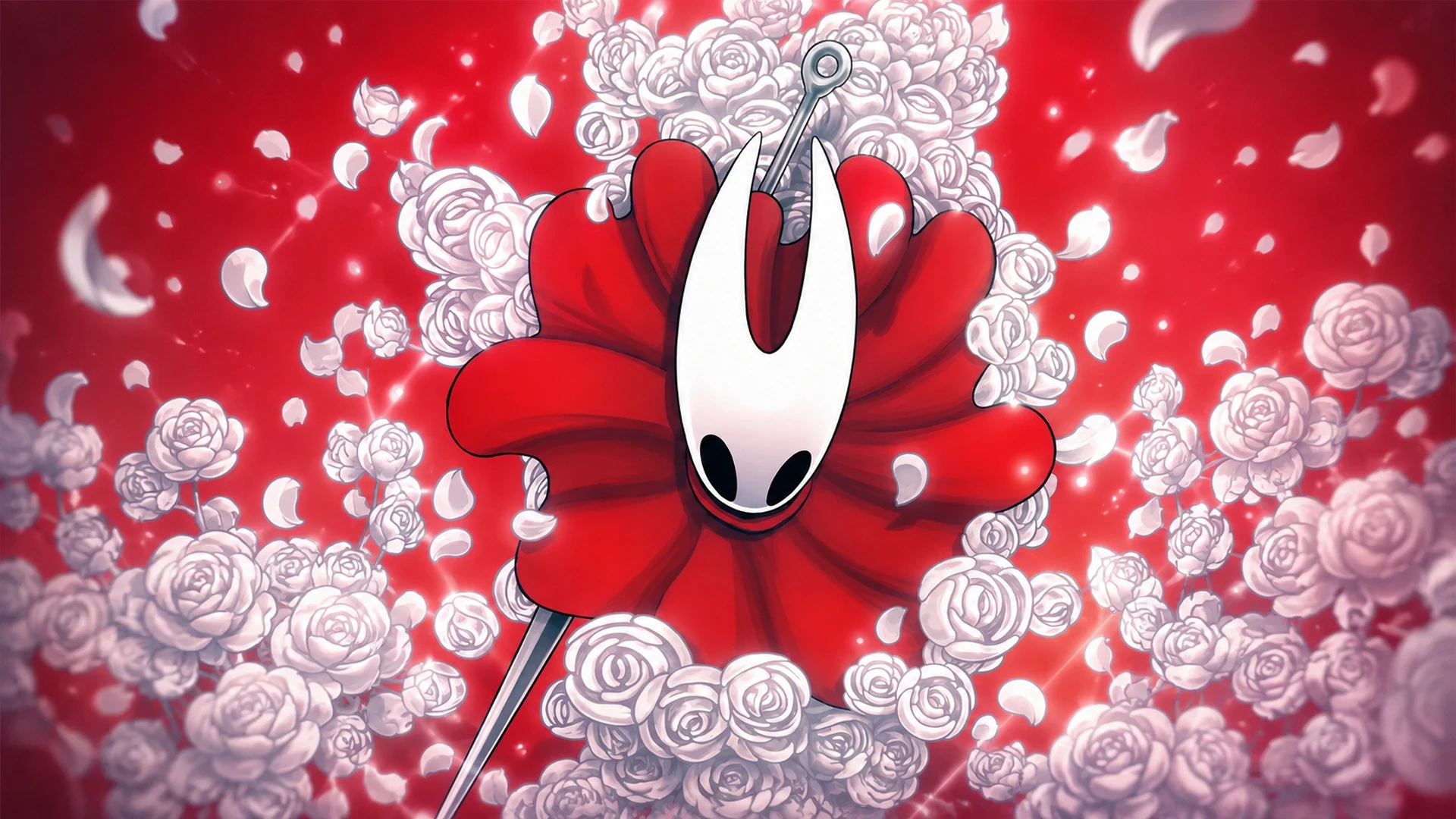
Steam traffic buckled around Silksong
Steam's storefront began failing for many users shortly after Hollow Knight: Silksong launched, with store pages returning “Something Went Wrong” messages and E502 L3 errors. The outage appeared focused on storefront and checkout flows rather than every part of Steam.
Libraries, downloads, and friends/chat could still work for some users even while store pages, wishlists, search, and purchase attempts timed out. People who already owned the game therefore had a better chance of starting an install than players trying to buy it during the first traffic wave.
The safe move during a store outage
The practical advice was simple: avoid hammering checkout. Repeated purchase attempts during a partial outage can create confusion around pending charges, failed confirmations, and duplicate attempts. If the game was already in your account, Library → Downloads was the cleaner path.
The pressure made sense. Silksong had spent years as one of Steam’s most-wishlisted games, and its release hit a fanbase that had been trained to expect very little warning. When a launch that anticipated floods every major PC storefront at once, errors like E502 are not surprising.
Silksong became a storefront stress test
The outage became part of the launch story because Silksong was not a normal indie release by demand. Reports at the time described major store disruptions across Steam and other online gaming platforms, and early Steam player counts pushed past six figures quickly despite access problems.
For Team Cherry, the technical problem was not a design failure; it was a demand signal. For Steam users, it was a reminder that wishlists, discovery, checkout, and platform infrastructure can become bottlenecks when a long-awaited game launches globally.
A concentrated launch overwhelmed the store
The outage did not represent a permanent Steam failure. It showed that even a mature storefront can become fragile during a concentrated release spike. Silksong's launch compressed years of anticipation into a narrow window, and the store layer became part of the event.
For players, patience and account-level checks are usually safer than repeated checkout attempts. For publishers, the launch showed how a deeply anticipated independent game can behave like a first-party blockbuster from an infrastructure perspective.
Sources
Harry Negron
Harry Negron leads NexusArc's editorial direction across games, player culture, gear, and technology.