

“Fortnite Addiction” Lawsuit Filed by Parents in Canada
Parents in Quebec alleged that Fortnite had become harmful for their children, claiming that long play sessions affected sleep, eating habits, hygiene, and daily routines.
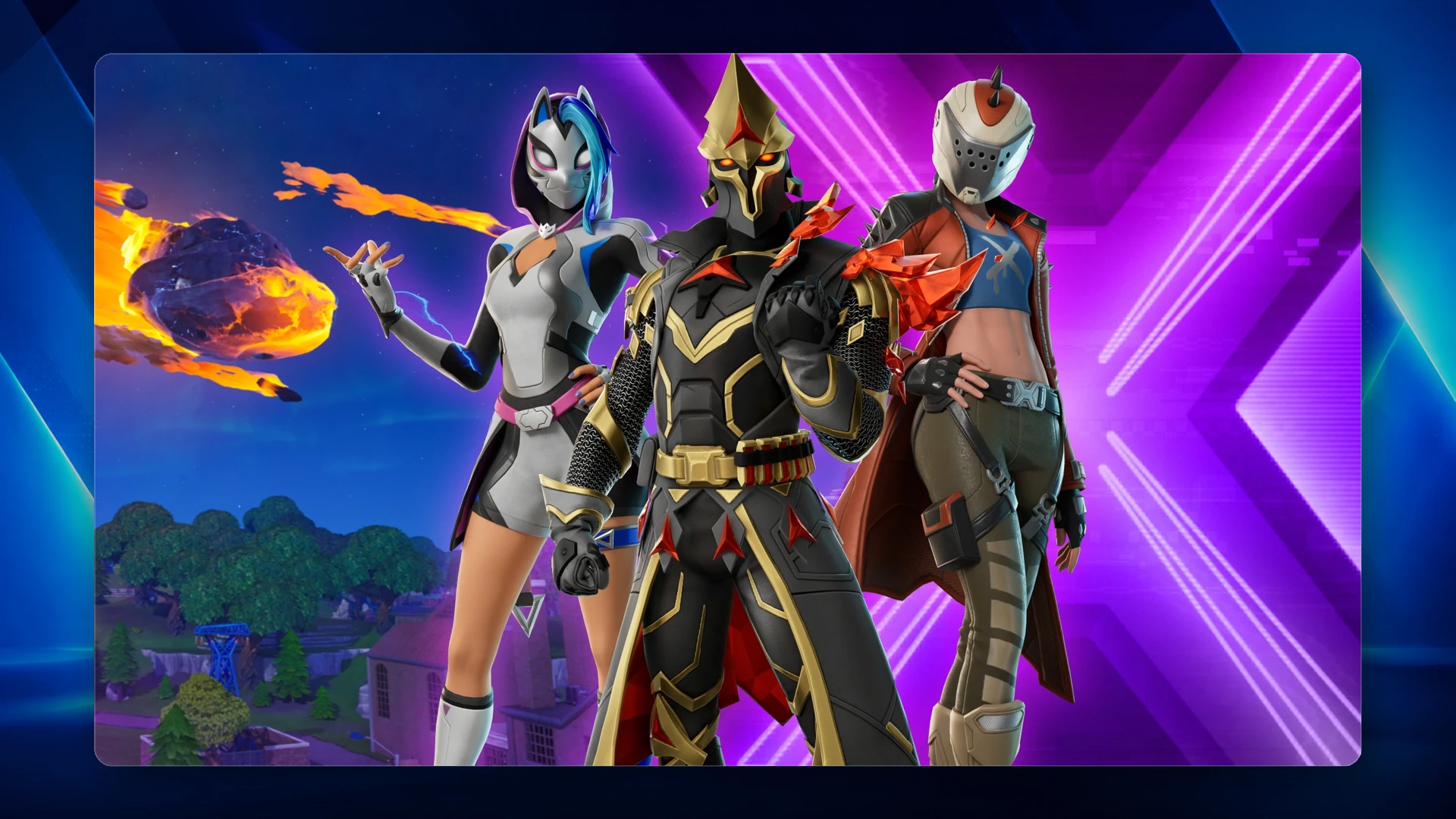
A Quebec lawsuit put Fortnite’s design under scrutiny
Parents in Quebec alleged that Fortnite had become harmful for their children, claiming that long play sessions affected sleep, eating habits, hygiene, and daily routines. The proposed class action targeted Epic Games and its Canadian subsidiary, with parents arguing that the game's design encouraged excessive play.
The case did not decide that Epic was liable. At this early stage, the court looked at whether the claim was serious enough to proceed. Justice Sylvain Lussier concluded that the proposed action did not appear frivolous or obviously unfounded, which allowed the legal fight to move into the next stage rather than ending immediately.
What the parents alleged
The parents’ allegations focused on extended playtime and behavioral effects. The original report cited claims that one child played 6,923 Fortnite games and that another played more than 7,700 games over two years. One filing also said a child had been diagnosed with addiction, while reports cited by the original article described daily play of at least three hours in one case.
Those numbers were central because the plaintiffs were not only objecting to a popular game. They were trying to argue that Fortnite’s structure, reward loops, social pressure, and constant events could create a harmful pattern for some young players. That is a much harder claim than saying a game is simply popular or time-consuming.
Epic’s response and parental controls
Epic Games pushed back on the claims, pointing to parental-control tools and saying that parents and children have options to monitor and manage play. That defense matters because modern live-service games include a mix of account settings, platform controls, time limits, privacy tools, and purchase controls that can shift some responsibility back toward households and platform holders.
The legal question is not only whether those tools exist. It is also whether they are clear, accessible, and strong enough for the way children actually interact with a game built around seasons, skins, battle passes, squads, challenges, and limited-time events.
The larger legal context around games and children
The Fortnite case arrived at a moment when lawmakers and regulators were paying closer attention to children’s online experiences, in-game purchases, privacy defaults, and dark-pattern design. The U.S. Federal Trade Commission later announced a major settlement with Epic Games over privacy and billing allegations, separate from the Quebec lawsuit, which reinforced how closely Fortnite’s business model was being examined.
For the games industry, the case became part of a broader debate about where normal engagement ends and harmful compulsion begins. Competitive events, battle passes, rotating stores, and social play are now standard parts of gaming, but those systems can look different when the player is a child rather than an adult choosing how to spend free time.
The case had only cleared its first stage
This was an authorization-stage decision, not a final ruling on the merits. The court allowed the proposed class action to proceed because the allegations raised a serious issue. The plaintiffs had not yet proven addiction, causation, damages, or wrongdoing by Epic.
Still, the case was a warning shot for live-service design. Games aimed at huge audiences now have to think beyond engagement metrics. If a game is built around daily rewards, social obligations, premium cosmetics, and constant return hooks, parents, regulators, and courts are going to ask whether the experience is manageable for younger players.
Sources

NexusArc Staff
NexusArc Staff publishes desk-written reporting, guides, updates, and service information prepared by the NexusArc editorial team.