

NetEase Wins $7 Million in Minecraft Unfair-Competition Case
A Chinese court awarded NetEase 50 million yuan over Mini World, distinguishing unfair competition from its rejected visual-copyright claim.
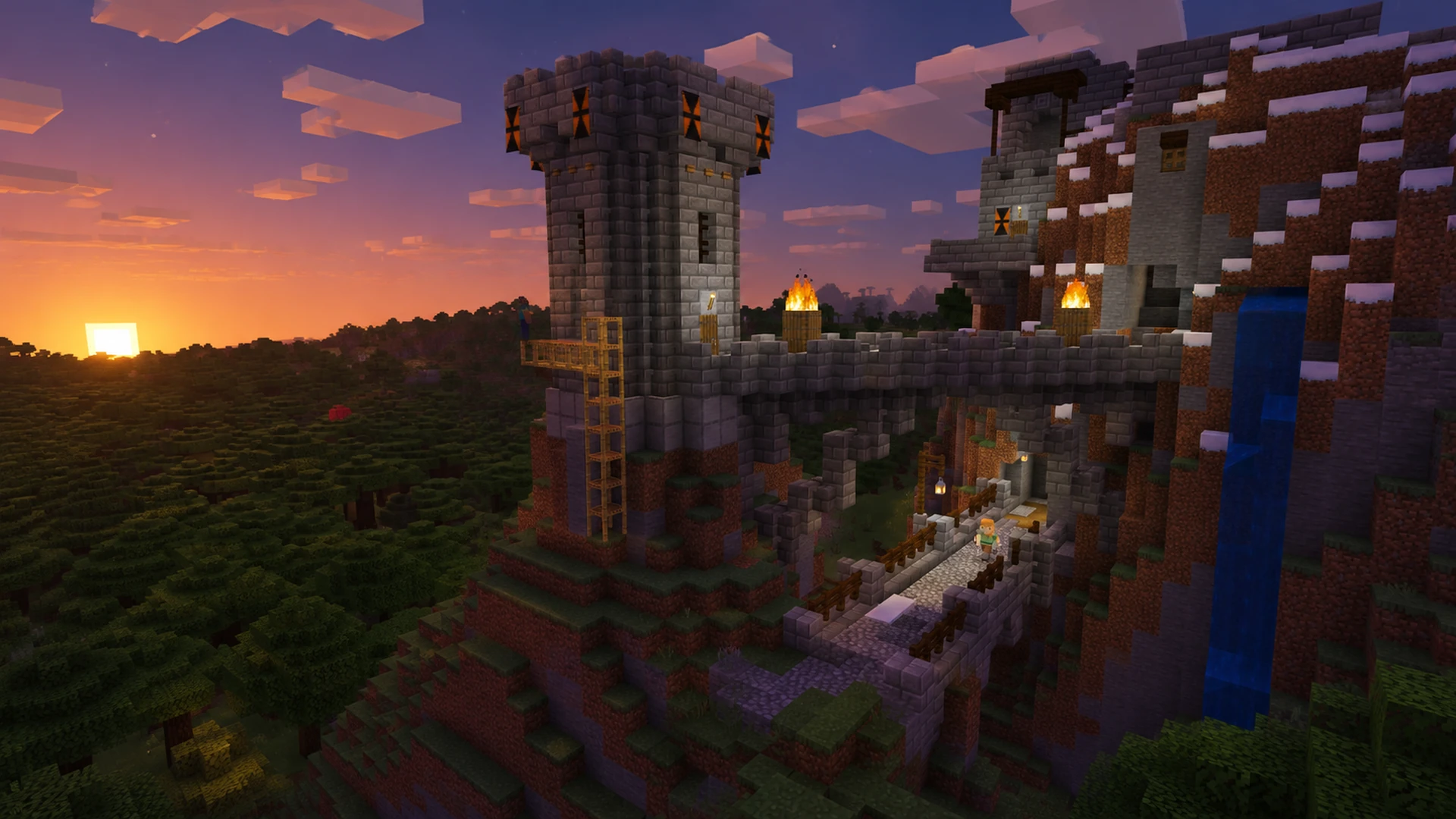
NetEase won damages in the Mini World dispute
NetEase, the authorized operator of Minecraft in China, won 50 million yuan, roughly $7 million, in its dispute with Mini World’s operator. The Guangdong Higher People’s Court’s November 30, 2022 ruling was based on unfair competition. Describing the result simply as a copyright award misses an important part of the decision.
Why Minecraft’s Chinese operator brought the case
NetEase operates Minecraft in China under license. Its local rights gave it a basis to challenge a competing product that it considered a copy. The dispute therefore involved the Chinese operator’s commercial interests as well as the creative work behind the game.
Regional publishing arrangements matter in cases like this. The company running a game in one market may be responsible for protecting its licensed interests there, even though another studio developed the original game.
The court distinguished copyright from unfair competition
According to the court’s announcement, the games’ audiovisual expression differed enough that it rejected the claim concerning copyright in their overall visuals. It nevertheless found that the copying of detailed game elements went beyond reasonable imitation and constituted unfair competition.
These are separate legal conclusions. The decision should not be read as a general ruling that sandbox concepts or gameplay rules automatically receive copyright protection.
Removing elements rather than closing the game
The remedy required the removal of 230 game elements and payment of the damages award. The court did not order Mini World to stop operating. Its later case summary explains that the scope for corrections and the interests of players formed part of that decision.
For players, the distinction between modifying a game and shutting it down has immediate practical importance. An order affecting particular content does not necessarily mean the whole service must disappear.
What the case means for game developers
The case illustrates why similarity between games cannot be assessed from genre labels alone. A shared interest in building, crafting, and survival does not settle whether specific copying or competitive conduct is lawful.
It also shows why reporting should identify the basis and scope of a judgment. NetEase received a substantial award, but the successful unfair-competition claim and the rejected visual-copyright claim should remain distinct.
Sources
- Minecraft Operating Company in China Awarded $7 Million for Copyright InfringementJivaro
- Guangdong court announces the final Minecraft and Mini World judgmentGuangdong Higher People’s Court · 2022-11-30
- Guangdong courts: 2022 intellectual-property casesGuangdong Higher People’s Court · 2023-04-23
NexusArc Staff
NexusArc Staff publishes desk-written reporting, guides, updates, and service information prepared by the NexusArc editorial team.